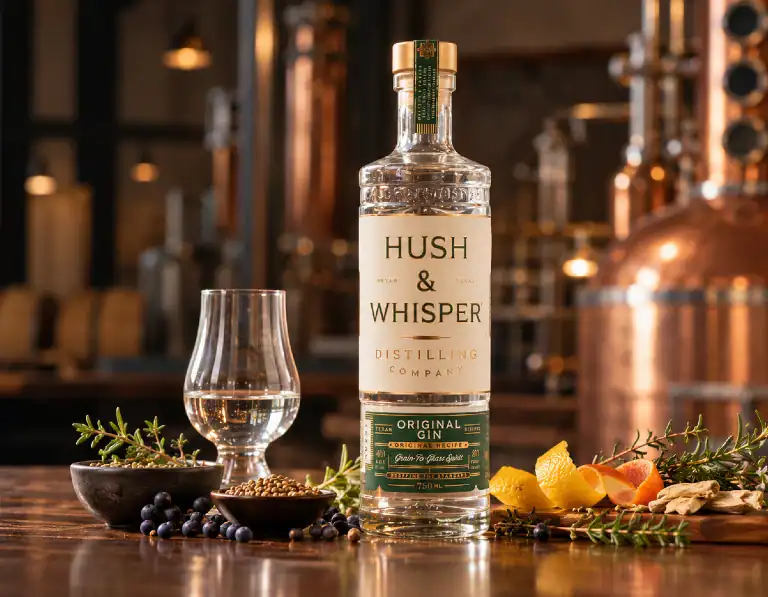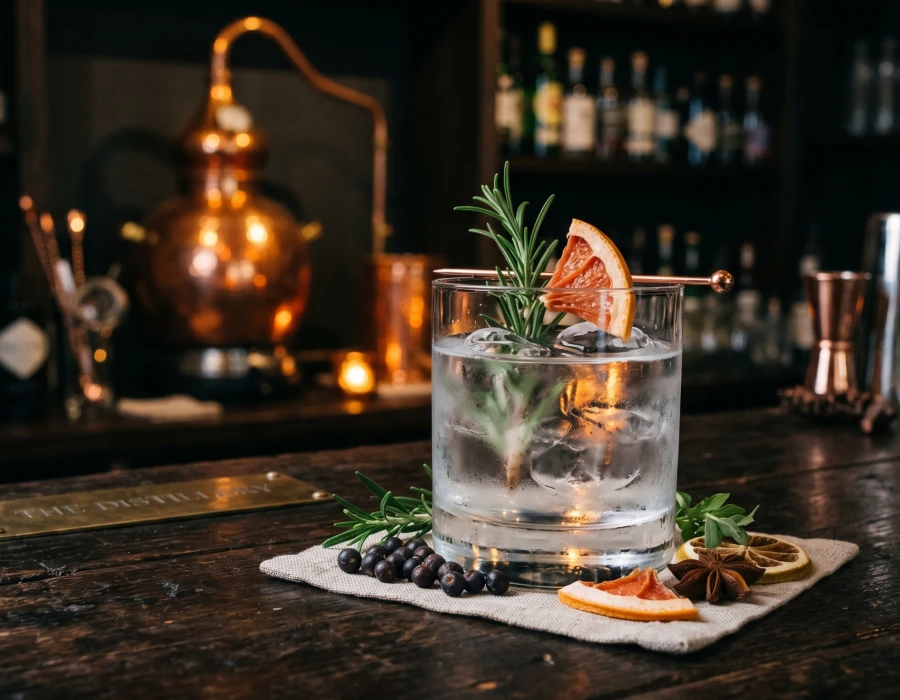
Gin drinking is not about guessing random botanicals or treating your glass like a test you did not study for. It is about slowing down long enough to understand what is in front of you and why it tastes the way it does.
At Hush & Whisper Distilling Co., every bottle starts well before it reaches the glass. The distillation process, the selection of botanical ingredients, and the decisions of a master distiller all shape the final product. If you are going to spend time with a well-made spirit, it should be worth your attention.
If you want to taste gin properly, the first step is understanding what separates craft gin from the mass-produced options most people are used to. We’ll share how to host a gin tasting experience & how to appreciate craft gin.
Related Article: Gin Flavors Decoded: What Makes Each Brand Unique?
Why Most Gin Feels Forgettable
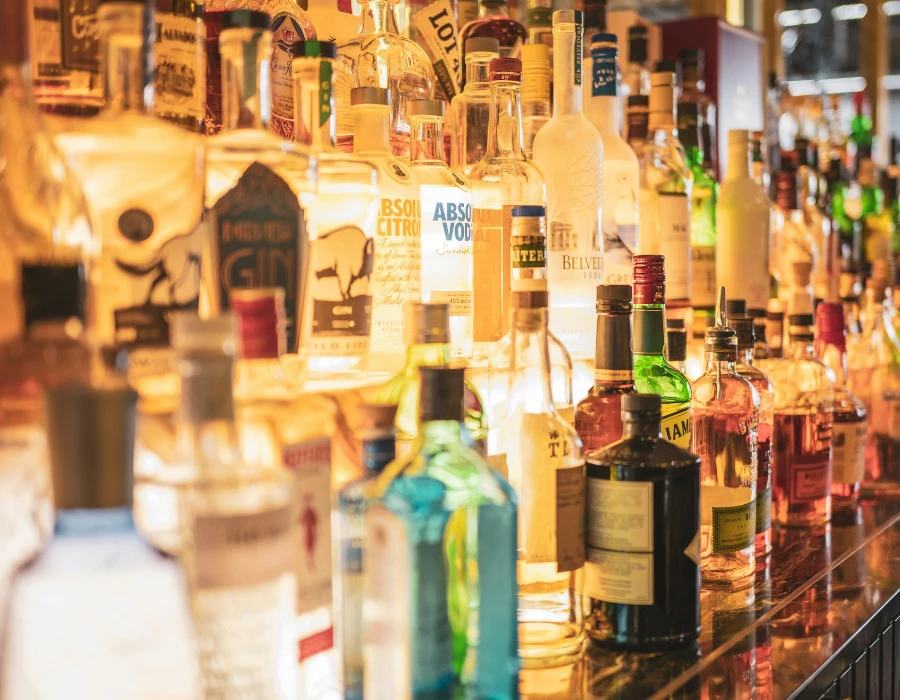
Most gin is built for consistency, using a mass-produced neutral spirit that is often closer to vodka than anything expressive. The process is efficient and predictable, designed for scale rather than character. It serves its purpose, but it rarely leaves a lasting impression.
Craft distilling takes a more deliberate approach. Instead of prioritizing volume, it focuses on precision, balance, and control. Smaller batches allow the distiller to shape the spirit as it develops, adjusting temperature and timing to build something with depth.
At Hush and Whisper, every batch of pot-distilled gin reflects that level of attention. Gin does not have years in a barrel to develop personality. It has to arrive complete, with flavor profiles that feel structured and intentional from the first sip.
The Backbone: Juniperus Communis and Balance
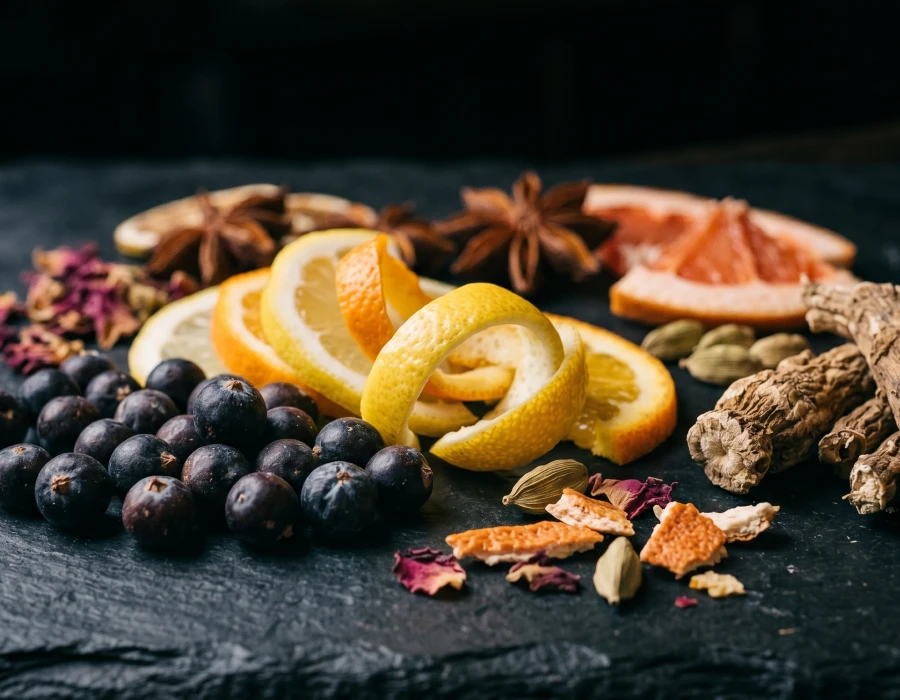
Every gin begins with juniper berries, specifically Juniperus communis. This is what gives the spirit its identity. Without that pine-forward backbone, it is no longer gin.
What matters next is how the other botanicals support that core. It is not about adding more botanicals to a label. It is about understanding how different botanicals interact and how each element contributes to the whole.
- Citrus peel adds brightness and lift
- Spice elements bring warmth and length
- Roots such as angelica and orris create structure and mouthfeel
When handled correctly, the result is a unique flavor that feels layered without becoming crowded. Each component has a purpose, and nothing is competing for attention.
Distilled Gin: Built, Not Assembled
Distilled gin is defined by how it is made, not how it is marketed. Instead of layering flavoring components onto a finished spirit, the botanical ingredients are introduced during distillation, becoming part of the spirit itself.
In a single-distilled gin, you can follow the progression of flavor clearly, from juniper through citrus and into softer floral notes. In some cases, a double-gin approach is used to refine and smooth the final product, depending on what the distiller aims to achieve.
By contrast, compounded gin relies on adding flavor after distillation. The result often feels disconnected, with flavors sitting on top of the base rather than integrating into it.
At Hush and Whisper, every step is designed to create a spirit that feels complete from start to finish, including careful attention to bottling strength so the balance holds in every glass.
Pot Distilling and the Gin Basket
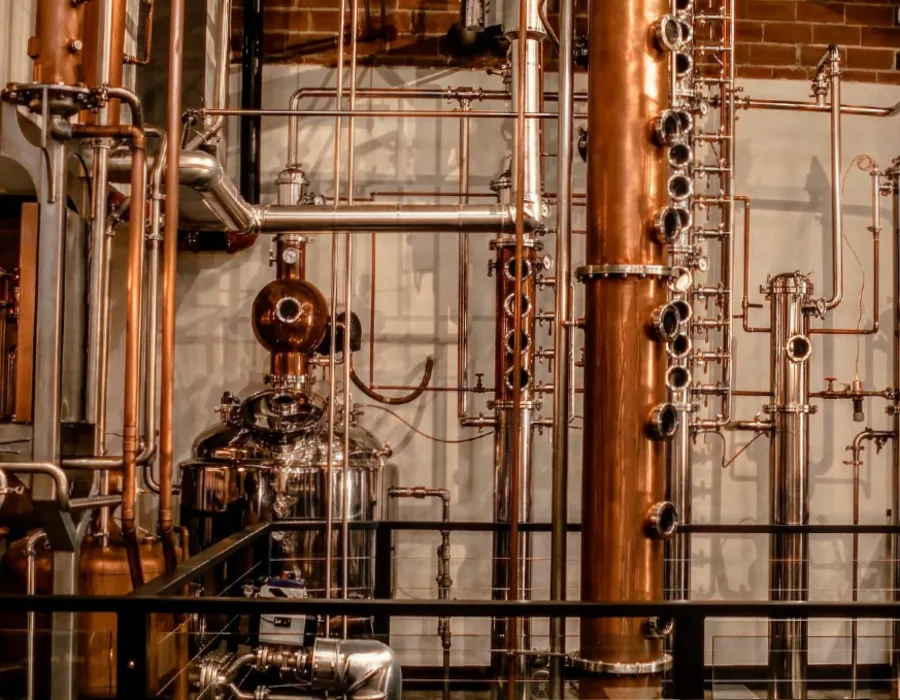
Pot distilling is slower, more controlled, and far more expressive than industrial methods. It allows the distiller to shape the spirit in real time, making adjustments that influence both aroma and flavor.
One of the most important tools in this process is the gin basket. As vapor rises during distillation, it passes through the basket filled with botanicals, extracting flavor more delicately. This preserves lighter citrus notes and floral notes, keeping them clean and defined.
Combined with a high-proof base, this method creates a spirit that feels layered and intentional rather than aggressive or one-dimensional.
A Brief History That Still Matters
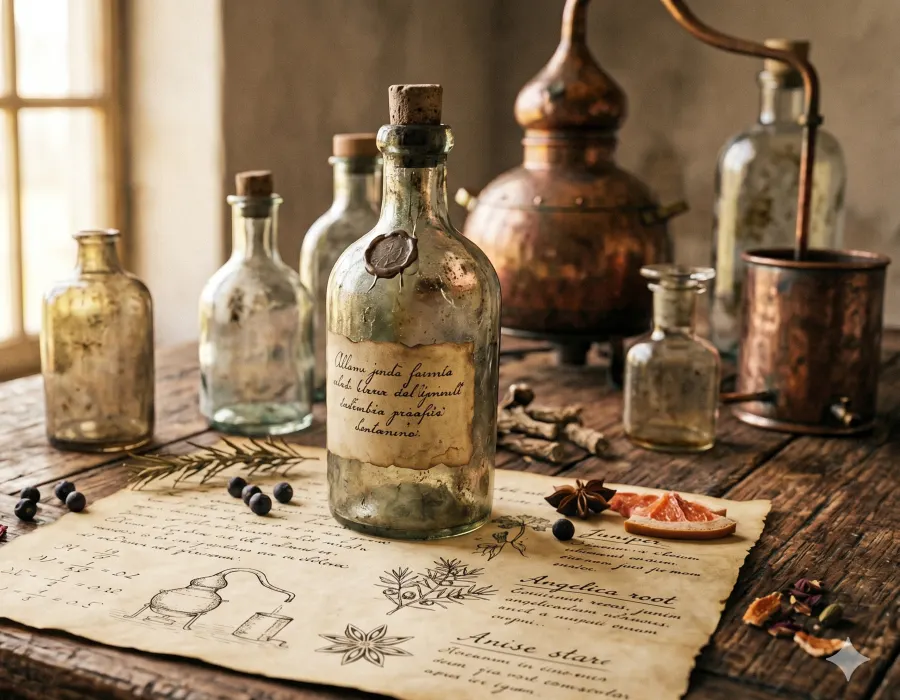
The earliest style of gin came from the Netherlands as genever (Holland Gin), made from a fermented grain mash that produced something closer to grain wine than to modern gin. These early spirits had a heavier body and a strong malty flavor, reflecting the raw ingredients and early distillation methods.
The name gin comes from a shortened form of genever. As the spirit spread, it gained a complicated reputation, especially during the period known as Mother’s Ruin. Over time, standards improved, and the spirit evolved into something far more refined.
Today, craft distillers respect that history without being tied to it. The focus is on refining the process and creating something that feels modern, balanced, and worth revisiting.
Understanding Different Styles Without Overthinking
You do not need to memorize every category or understand every one of the different styles to appreciate gin, but a basic understanding helps you recognize what you are tasting.
- London Dry Gin is clean and structured, with a strong emphasis on juniper
- Old Tom Gin is softer, often with a touch of sugar
- Sloe Gin and other gin-based liqueurs lean into fruit flavors and sweetness
Beyond these, variations exist based on different botanicals, base spirits, and even other grains. What matters most is how those choices shape the final product and how the spirit behaves in the glass.
How to Taste Gin Properly
Tasting gin is not complicated, but it does require attention. Breaking it into steps makes it easier to understand how the spirit develops.
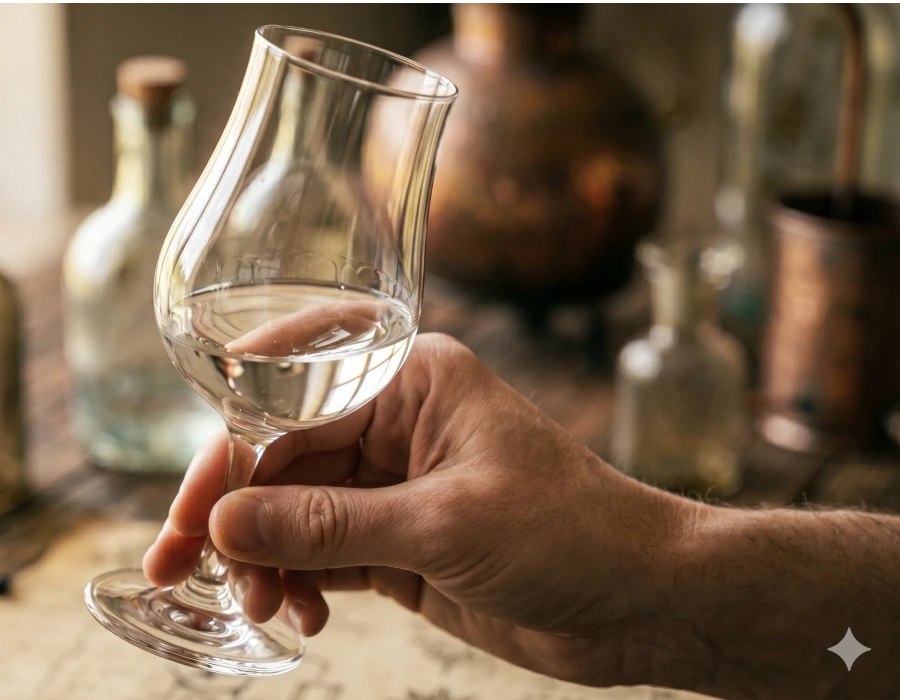
Start with the Right Glass
Use a glass that narrows slightly at the top. This helps concentrate the aroma so you can pick up on subtle details that might otherwise be lost.
Smell Before You Sip
Your nose will detect far more than your palate alone, especially when it comes to citrus, spice, and floral notes. Take a moment before tasting.
Let the Gin Sit on Your Palate
Do not rush the sip. Notice the entry, the mid-palate, and the finish. A well-made spirit moves through these stages smoothly.
Add a Few Drops of Water
A small amount of water lowers the alcohol slightly and allows additional aromas to come forward without flattening the experience.
Every decision made during production affects how you ultimately flavor gin, from the base spirit to the balance of botanicals during distillation.
Gin Cocktails: Where Craft Gin Proves Itself
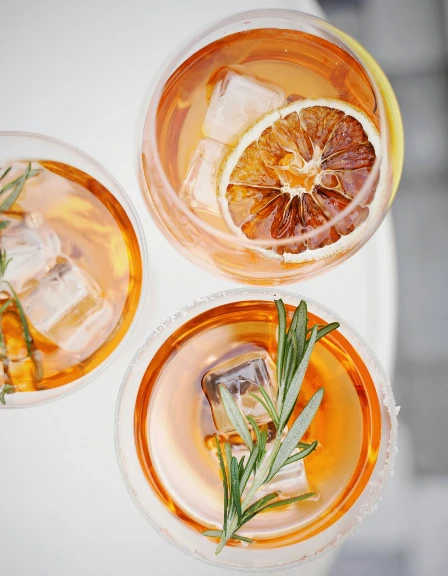
Gin cocktails are where a spirit either holds up or disappears. A well-made craft gin should carry its structure through a drink rather than fading into the background.
At Hush and Whisper, gin drinking is not limited to neat pours. Whether it is a martini or a simple tonic, the base spirit should remain present, allowing the citrus, spice, and juniper to come through clearly.
A properly built craft gin maintains its character, giving every cocktail a sense of intention rather than dilution.
Hosting a Tasting at Home
A proper tasting does not require a formal setup, but a little structure makes a difference, especially if you are learning how to taste good gin. Choosing a small selection of bottles allows you to compare flavor profiles without overwhelming your palate.
Pair the tasting with small plates such as citrus, cheese, or light snacks to reset your taste buds between pours. This keeps each sample clear and distinct, making it easier to pick up on subtle differences between styles.
While some people experiment with a homemade gin recipe, the difference between casual infusion and professional distillation is significant. Without control over the process, it is difficult to achieve the same clarity and balance found in a true craft spirit.
The Difference Between Drinking and Paying Attention
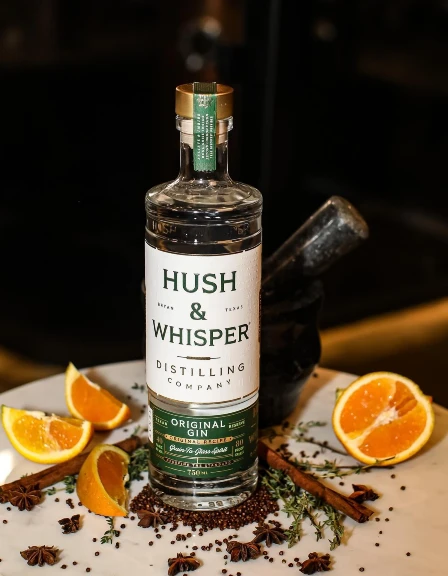
Some gin drinkers approach this spirit casually. It gets poured, mixed, and forgotten. The details fade into the background, and the experience never really lands.
But when you slow down and actually taste it, something changes. You begin to notice the citrus, the structure, and the way different elements come together to create a complete experience. You start to recognize the decisions behind the spirit, from the choice of flavoring botanicals to the precision of the distillation process guided by a master distiller.
That is when gin stops being just another drink and becomes something you return to.
Once you experience a properly built pot-distilled gin, there is no going back to spirits that fade into the background. You do not just drink it. You expect it.
If you want to experience it the way it was meant to be tasted, step into the distillery. Book a tasting or get in touch with our team and let us walk you through it, one glass at a time.