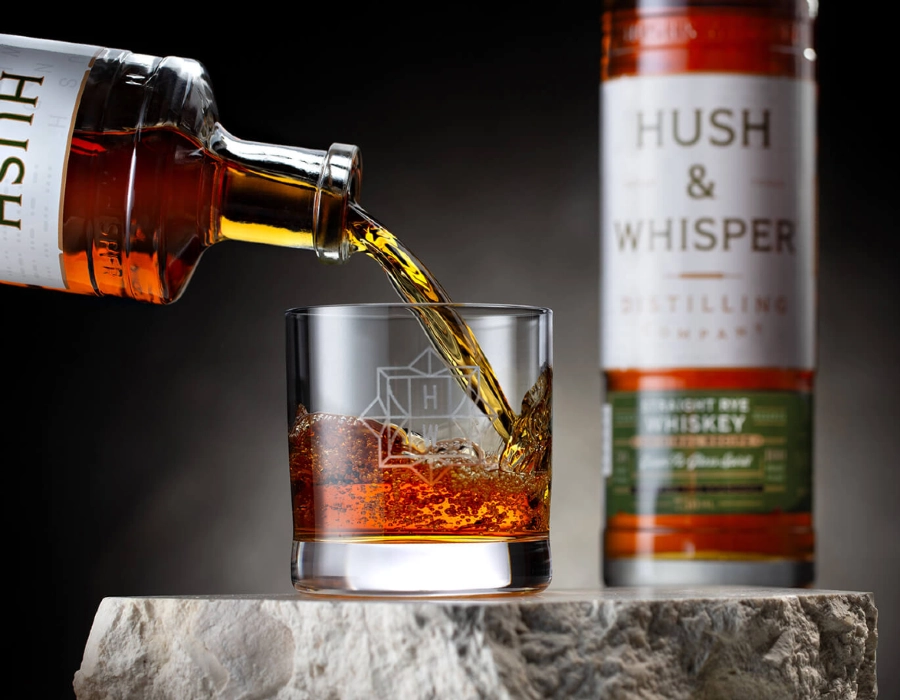
Rye whiskey is not the polite option. It does not round off its edges to please the room, and it does not disappear quietly into the background of a drink. It shows up with spice, structure, and intention.
At Hush and Whisper Distilling Co., rye was never a checkbox. It was a decision. A commitment to a whiskey with a distinct character that holds its ground from the first sip to the last. Rye whiskey asks more from a distillery, and that challenge is exactly why we chose it.
If you have ever wondered what rye whiskey really is, or why it feels so different in the glass, the answer starts with respect for the grain and a refusal to smooth it into something it was never meant to be.
Related Article: Whiskey Gift Guide: The Perfect Bottle for Every Occasion
Why We Chose Rye Whiskey
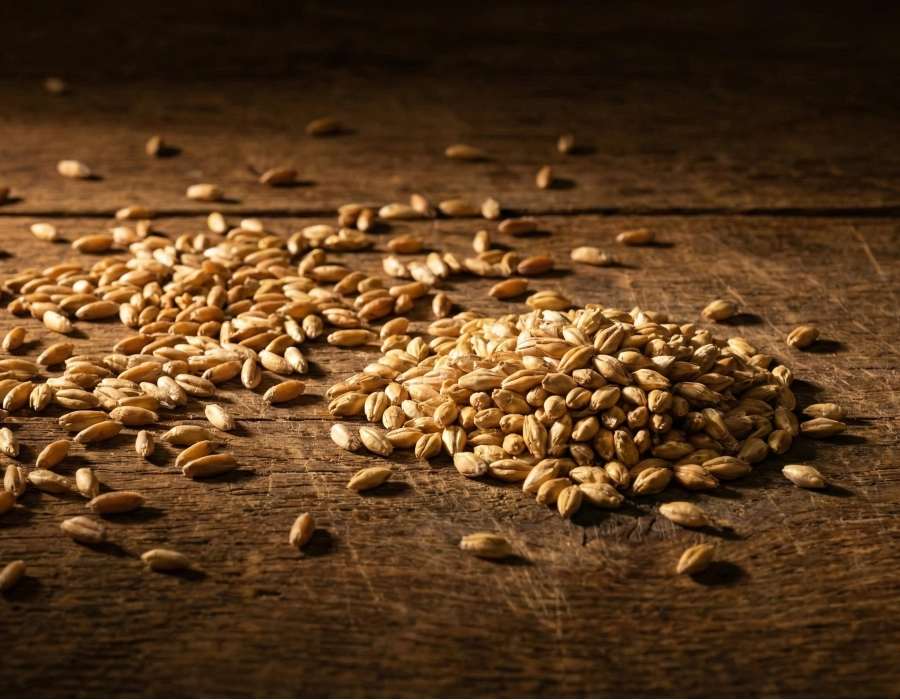
Rye whiskey has a voice. It is sharper, spicier, and more assertive than most spirits on the shelf. That alone sets it apart, but what matters more is what that character allows us to do as a distillery.
Rye gives structure. It carries spice without collapsing under sweetness. It stands up in a glass, whether you are drinking it neat or mixing a cocktail. It does not rely on sugar or softness to make an impression.
American rye whiskey must be built, not polished. That philosophy aligns with how we approach every spirit we make. We do not chase trends. We focus on flavor, balance, and integrity, even when that means choosing the harder path.
What Rye Demands From a Distillery
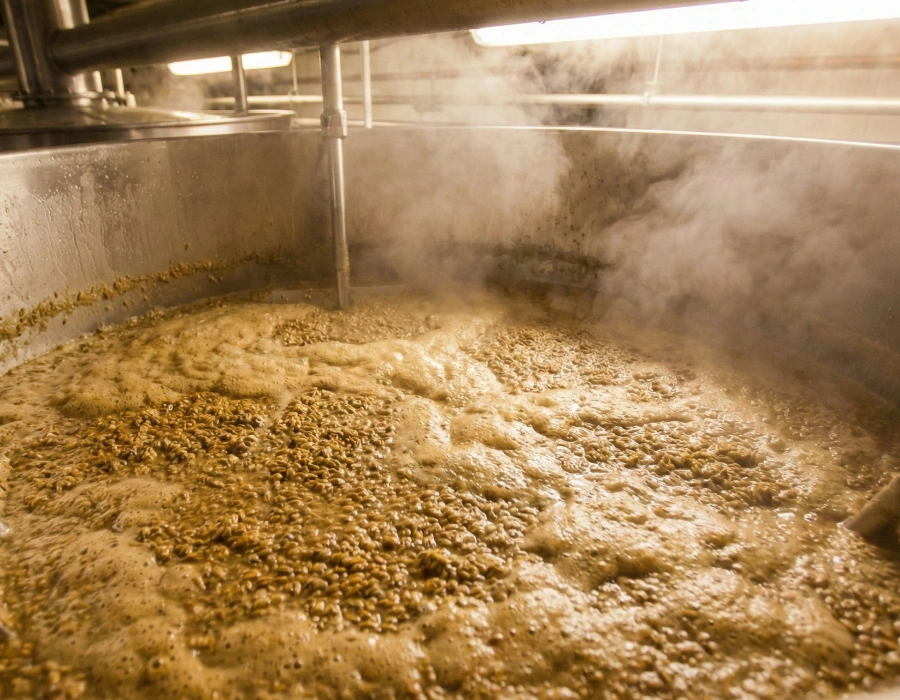
Rye grain does not behave like corn or wheat. It is stubborn by nature, and it demands precision from the first step of the mash bill.
A mash with a high percentage of rye creates a thick, challenging texture during fermentation. Malted barley plays a supporting role here, providing the enzymes needed to convert starch into sugar while helping keep the mash workable. Yeast selection becomes critical, since it influences not only alcohol production but aroma, spice, and overall balance.
Rye content shapes everything. A high percentage pushes spice forward and creates a drier profile. A lower percentage softens the edges slightly, allowing other grains to round out the structure. Every decision affects how the whiskey develops, and there is very little room for error.
This is not a forgiving spirit. That is part of its appeal.
The Rules That Define Real Rye Whiskey
To legally qualify as straight rye in the United States, the rules are clear and non-negotiable.
The mash bill must contain at least 51 rye grain. The whiskey must be distilled below a specific proof, entered into new charred oak barrels, and bottled at a regulated abv. Straight rye must be aged at least two years, with no additives or shortcuts.
These standards exist for a reason. They protect the integrity of the spirit and keep rye whiskey honest.
Canadian Rye Whisky
Canadian Rye Whisky follows different conventions. Despite the name, Canadian whisky often contains little actual rye content. American rye whiskey puts the grain front and center, and that difference shows clearly in the glass.
How Our Rye Is Made, On Purpose
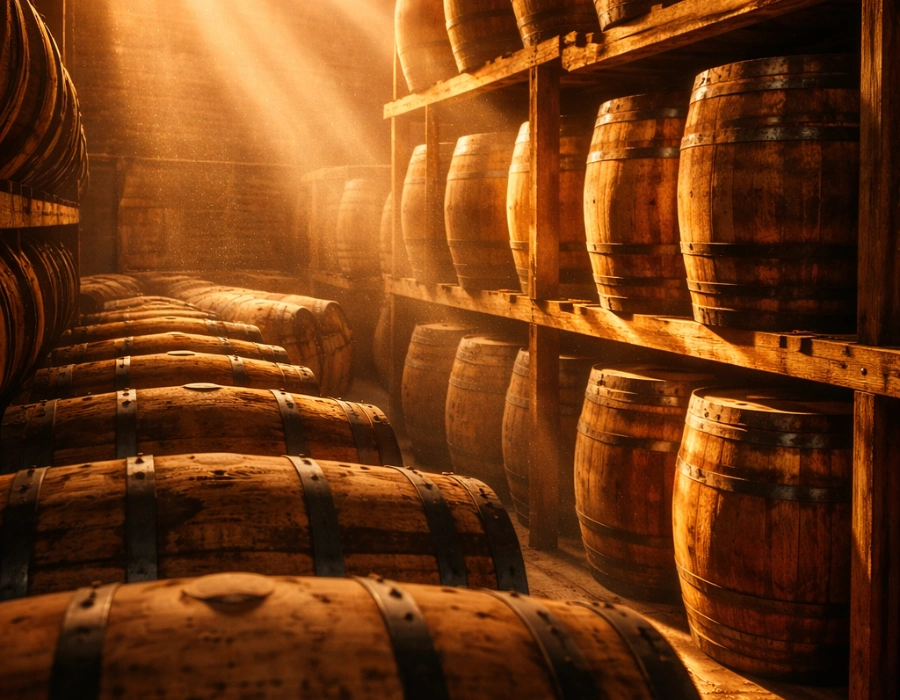
Every step of our production methods is chosen with restraint. Efficiency never comes at the cost of flavor.
After fermentation, the whiskey is distilled with careful attention to proof. Distilling too high strips character. Too low sacrifices structure. Finding the balance allows spice, aroma, and texture to carry through without becoming harsh.
The whiskey then moves into new charred oak barrels. Fresh oak brings more than color. It contributes vanilla, caramel, and toasted notes that soften the spice without muting it. These barrels do not tame rye. They give it a framework.
Column stills can offer consistency at scale, but our focus remains on control and intention at the distillery level. Each batch reflects deliberate choices rather than mechanical repetition.
Texas Climate and Real Consequences
Aging whiskey in Texas is not subtle. Heat accelerates interaction between spirit and wood, pushing whiskey deeper into the oak and pulling it back out again with intensity.
Barrels breathe faster. Flavor develops quickly. Oak, spice, and alcohol find balance on a compressed timeline that demands close attention. This climate shapes how our rye tastes and how it matures.
We do not fight the environment. We work with it. Barrel placement, aging time, and blending decisions are adjusted to account for Texas conditions. The result is a rye whiskey with depth, structure, and presence that reflects where it was made.
What You Will Taste and Why
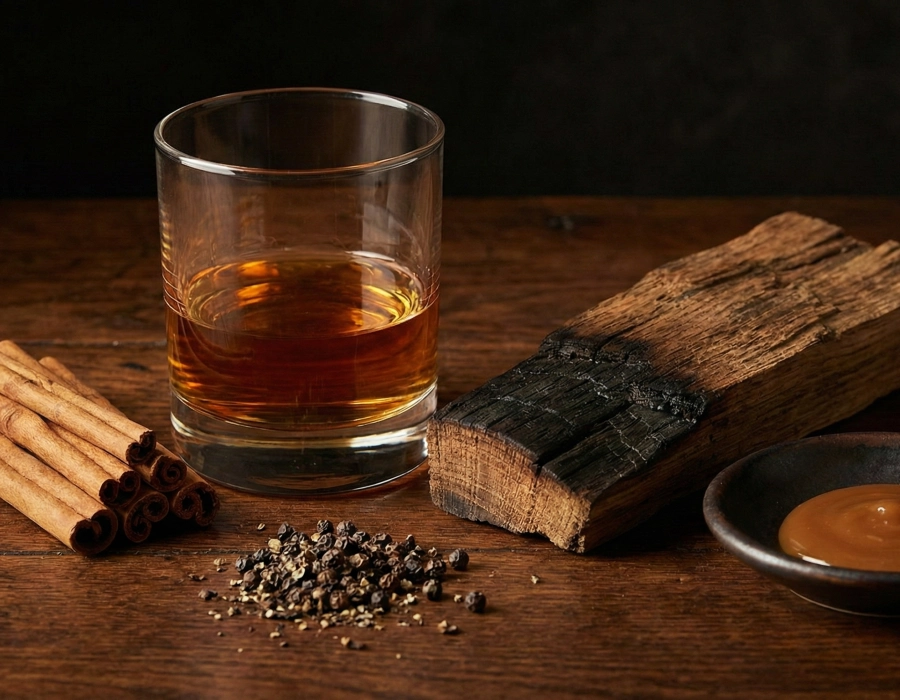
Rye whiskey reveals itself in layers.
On the nose, you will notice cracked pepper, cinnamon, and clove. Oak and charred wood sit underneath, with hints of vanilla and caramel rounding out the aroma.
On the palate, spice leads without overwhelming. Herbal notes follow, supported by restrained sweetness from the barrel. The texture feels firm and structured, not soft or syrupy.
The finish lingers. Pepper and baking spice hold on, with oak adding grip and balance. This is a whiskey that stays with you rather than fading away.
Every note connects back to a decision made earlier in the process, from grain selection to aging.
Rye and Bourbon Are Not the Same Conversation
Bourbon has its place. Built on corn, it leans toward a sweeter profile with rounder edges and dessert-like notes. Straight bourbon often drinks softer, especially for those new to whiskey.
Rye takes a different path. Less corn, more spice, and a finish that does not rush to please. Wheat can soften a mash bill, but rye never disappears entirely.
This is not a competition. It is a choice. Rye offers clarity and backbone where sweetness steps aside.
Why Rye Thrives in Cocktails
Rye whiskey holds its shape in a glass. That makes it a natural fit for whiskey cocktails that rely on balance rather than sugar.
In classics like the Vieux Carré from New Orleans, rye cuts through bitters, sugar, and vermouth without getting lost. Lemon juice and other citrus elements do not overwhelm it. The spice stays present, keeping the cocktail grounded.
Rye works mixed because it was never designed to hide.
Rye Whiskey Cocktails That Let the Spirit Speak
Rye whisky was built for structure. That is why it performs so well in cocktails that rely on balance instead of sweetness. A straight rye does not disappear once sugar, citrus, or bitters enter the glass. It stays present, carrying spicy notes and depth through the entire drink.
These rye whiskey cocktails highlight that strength without masking the spirit itself.
Manhattan (The Benchmark)
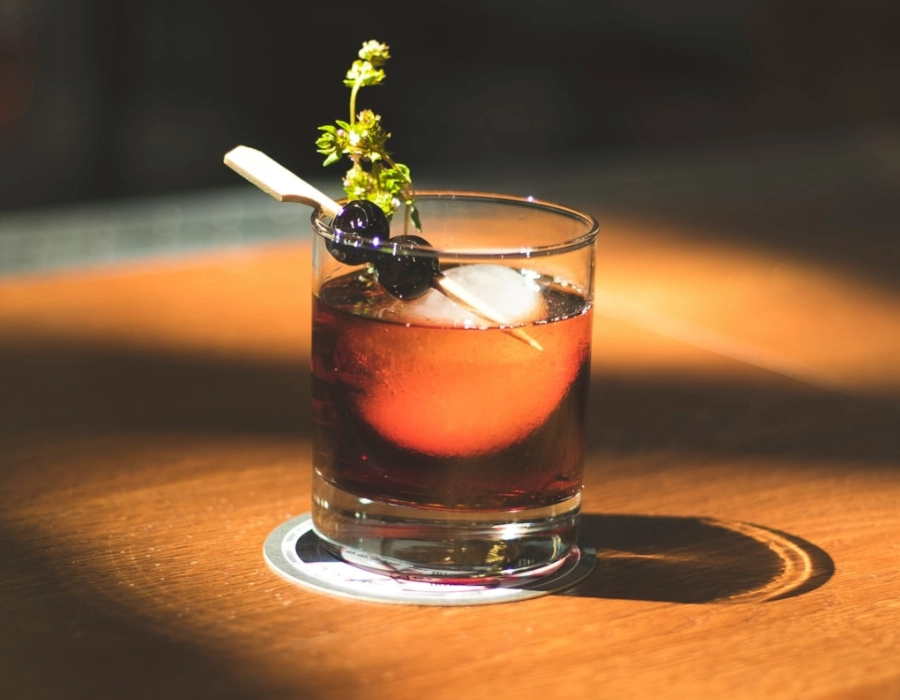
Flavor focus: spice, oak, restraint
Recipe
- 2 oz straight rye
- 1 oz sweet vermouth
- 2 dashes aromatic bitters
Stir with ice and strain into a chilled glass. Garnish with a cherry.
This cocktail shows how rye’s spicy flavor and firm structure hold their place against sweetness. The influence of new oak barrels comes through as subtle vanilla and caramel rather than sugar overload, keeping the flavor profile clean and composed.
Vieux Carré (Depth and Complexity)
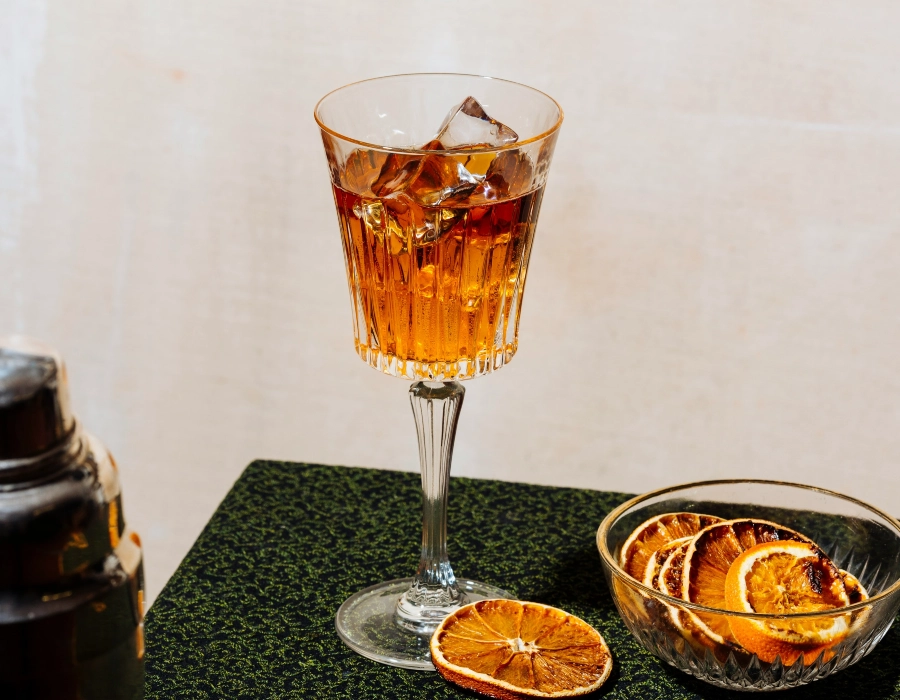
Flavor focus: layered, rich, expressive
Recipe
- 1 oz rye whisky
- 1 oz cognac
- 1 oz sweet vermouth
- 2 dashes bitters
Stir and strain into a rocks glass over ice.
This New Orleans classic is a combination of bold elements that would overwhelm a softer spirit. Rye cuts through with spice and clarity, balancing molasses-like richness from the vermouth and bringing structure to a drink built on multiple other spirits.
Rye and Chocolate Notes (After-Dinner Serve)
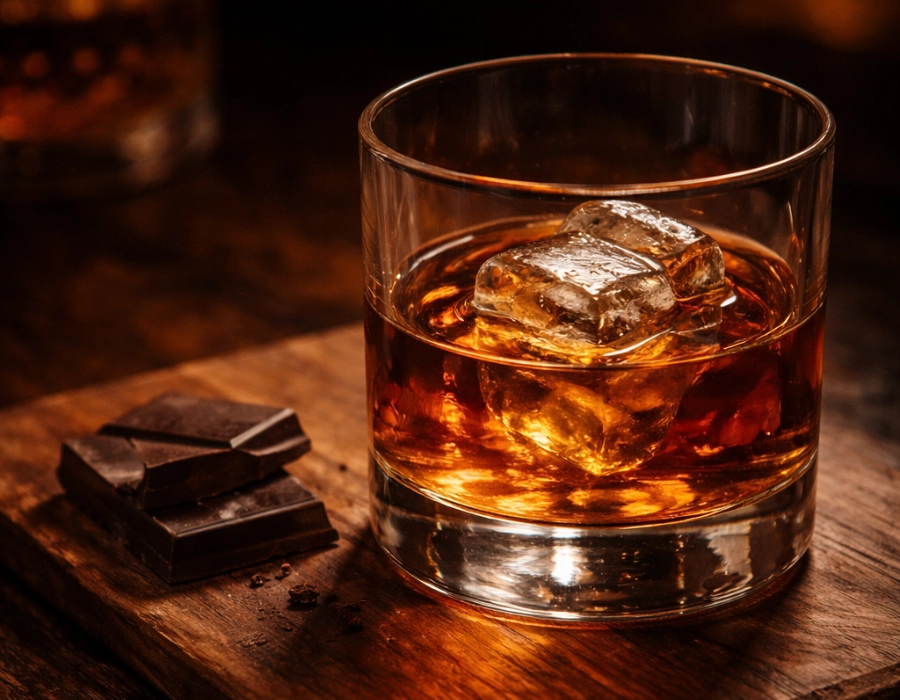
Flavor focus: bitter, dark, lingering
Recipe
- 2 oz rye whisky
- 1 dash chocolate bitters
Serve neat or over a single large cube.
This pairing highlights how rye interacts with chocolate without becoming heavy. The spice lifts the bitterness, while the oak rounds the edges. It works beautifully as a slow final course when dessert feels unnecessary.
Why These Recipes Work
Rye whiskey succeeds in cocktails because it was never meant to be neutral. Its smell opens with pepper and baking spice, and that aromatic intensity survives mixing. The grain-driven spice cuts through sugar, citrus, and bitters instead of getting lost inside them.
That balance is what makes rye such a reliable base across styles, whether the drink leans spirit-forward or layered and complex.
Where This Rye Lives
Our rye reflects the same approach we bring to every spirit we make. Focused. Intentional. Built with respect for raw materials and the process that shapes them.
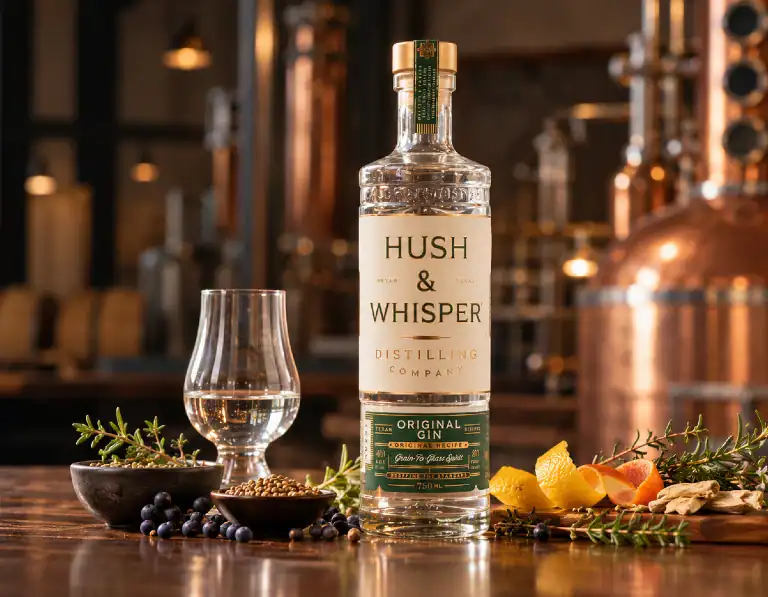
At Hush and Whisper Distilling Co., whiskey is part of a larger world of spirits. Alongside Hush and Whisper Rye, we distill gin, vodka, and white whiskey, each guided by the same commitment to character and balance.
Different spirits. One philosophy.
An Invitation Worth Taking

Rye whiskey is not about chasing smoothness or playing it safe. It is about structure, spice, and a willingness to let flavor speak clearly.
Contact us. Visit the distillery. Join a tasting. Take a bottle home and spend time with it. Let the glass open up and tell you what rye was always meant to be.
And when curiosity pulls you further, there is always gin, vodka, and white whiskey waiting at the bar, crafted with the same quiet conviction.
This is how we do rye.