There is a reason gin lovers can spend an entire evening arguing over one simple question: What exactly am I tasting?
One sip might burst with bright citrus. Another leans soft and floral. A third hits with earthy roots and warm spices. The secret behind every bottle is the carefully chosen mix of gin botanicals used during distillation.
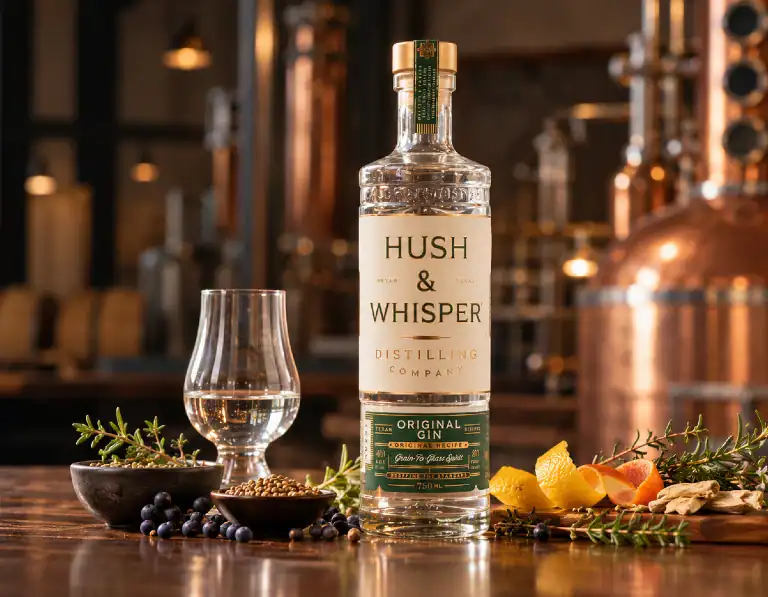
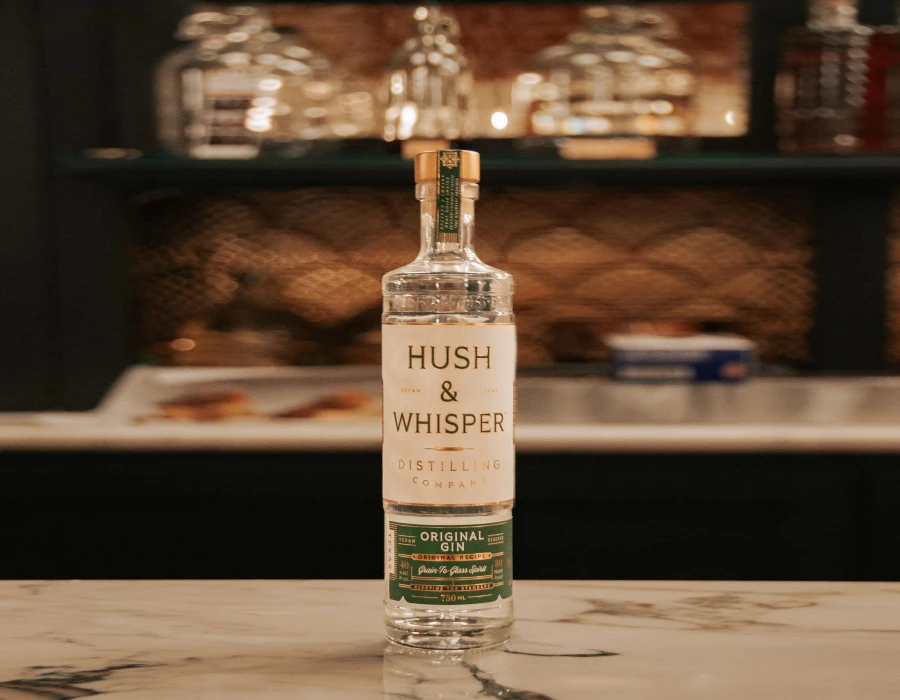
At Hush and Whisper Distilling Co. in Bryan, we believe great gin starts with understanding botanicals and how they shape the final spirit. Our award-winning Original Gin is proof that a thoughtful combination of ingredients can create remarkable flavor, from the first aroma to the final sip.
We’re here to break it down, gin botanicals & understanding flavor profiles.
What the Legal Definition of Gin Requires
Before a bottle can carry the name gin, it must begin as a neutral spirit, often similar to vodka.
During gin production, the base alcohol is redistilled with botanicals, allowing essential oils to infuse the liquid with flavor and aroma.
The legal definition is surprisingly simple:
- The spirit must be distilled.
- Juniper must be the dominant flavor.
- Additional botanicals may be used.
That straightforward rule gives many distillers enormous creative freedom.
Juniper Berries: The Heart of Every Gin
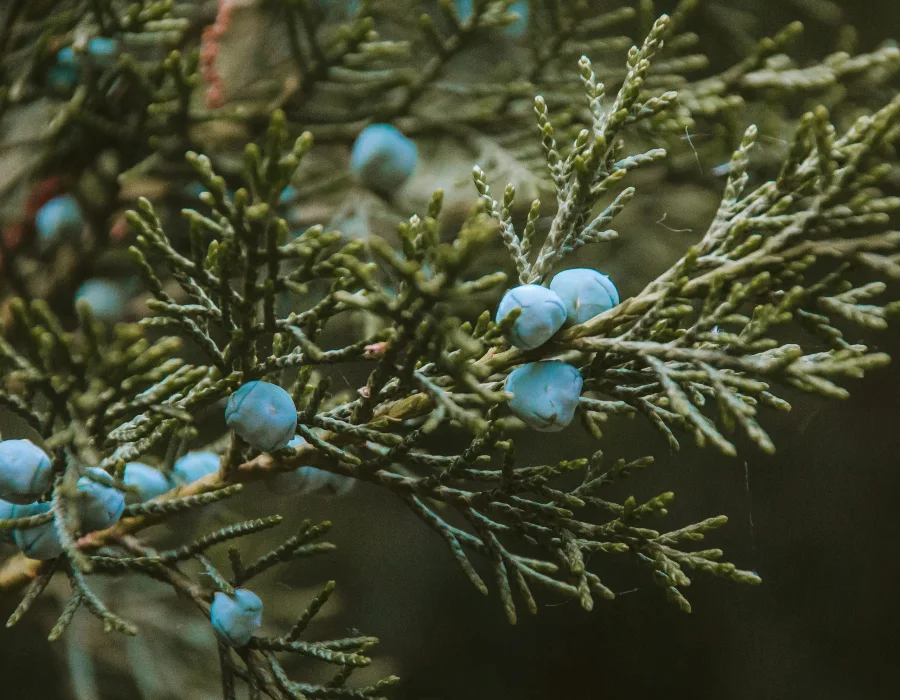
In any discussion of gin botanicals and flavor profiles, one ingredient stands out: juniper berries.
These small blue berries deliver the dominant flavor that gives gin its unmistakable identity. Their taste is often described as:
- Piney
- Resinous
- Slightly citrusy
- Crisp and dry
Some gins are intensely juniper-forward, while others soften the pine character with floral flavors, fruits, and spices. At Hush and Whisper, we love a perfect balance where juniper is unmistakable but never overwhelming.
Coriander Seeds Bring Citrus and Spice
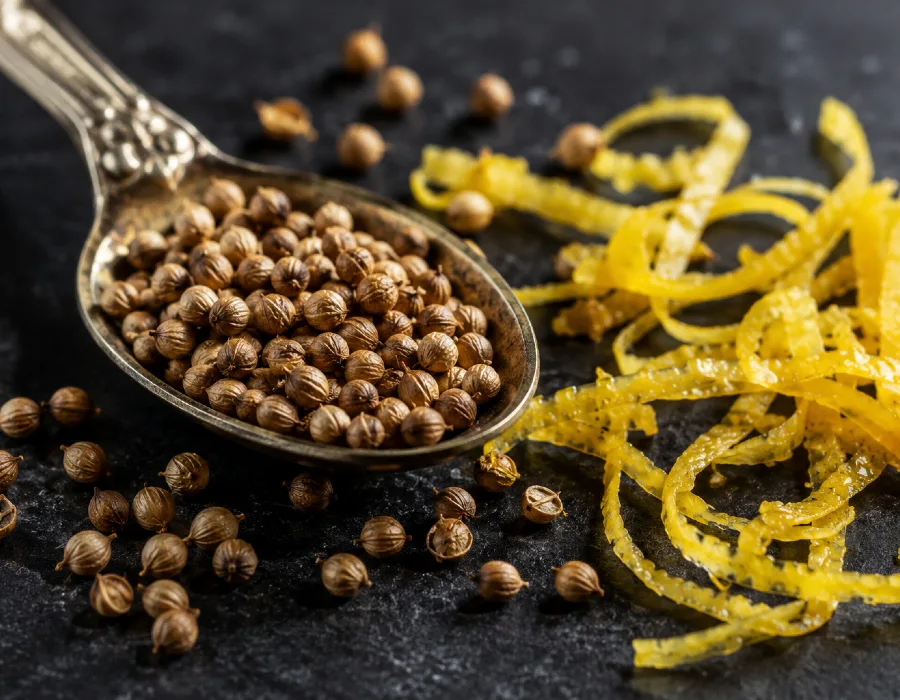
Second only to juniper, coriander seeds are among the most important gin botanicals.
They contribute:
- Lemon zest brightness
- Warm spicy notes
- Slightly nutty depth
Coriander contains aromatic essential oils that add zesty notes and connect citrus ingredients with earthy roots.
After the citrus sparkle, coriander helps create a smooth transition into deeper flavors.
Angelica Root and Orris Root: The Quiet Architects
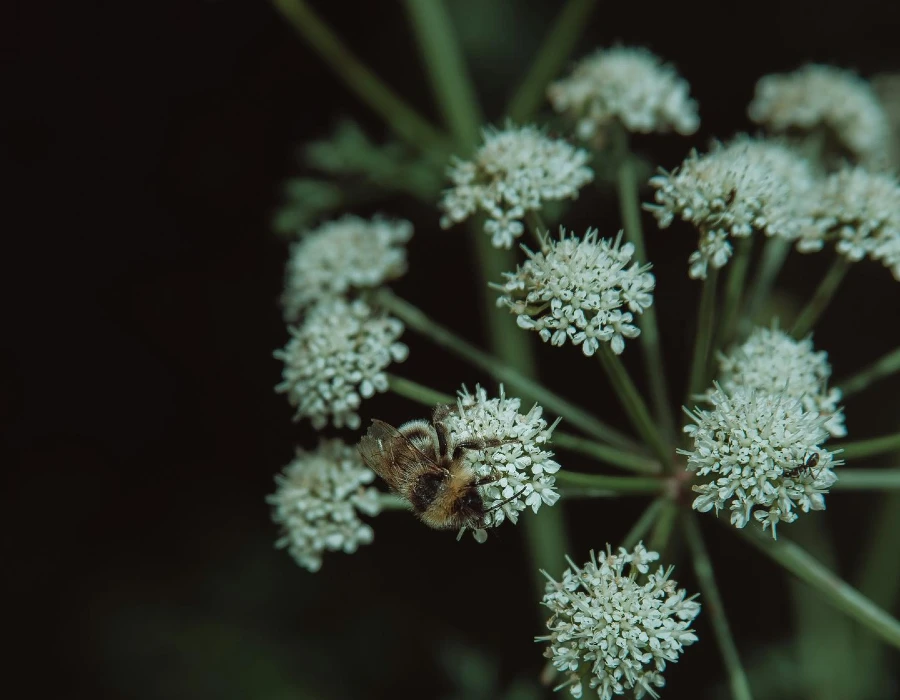
Some ingredients are not the stars of the show, but the gin would fall apart without them.
Angelica Root adds an earthy, musky character and helps bind other flavors together.
Orris Root, derived from iris plants, acts as a fixative that stabilizes delicate aromas.
Together, these roots create structure and help the botanicals linger on the palate long after the sip.
Orange Peel and Lemon Zest Add Bright Citrus
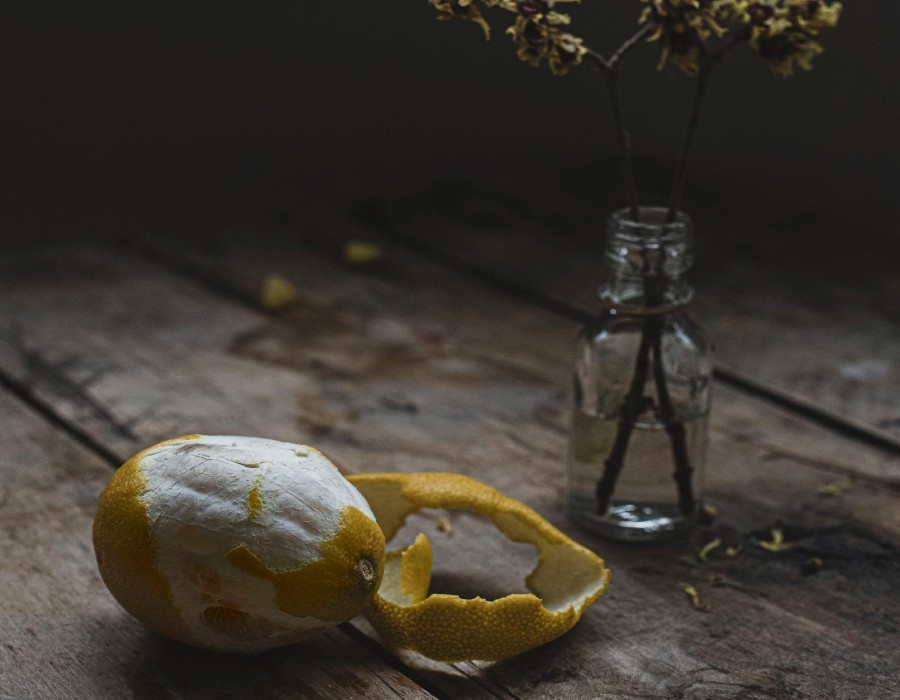
Orange peel and lemon zest are common additions that give gin its vibrant top notes.
These ingredients bring:
- Fresh citrus character
- Fragrant oils
- Lift and energy
Some gins also use grapefruit or lime peel to create sharper, more tart expressions.
The result is a lively spirit that feels bright and refreshing.
Floral Flavors That Soften the Edges
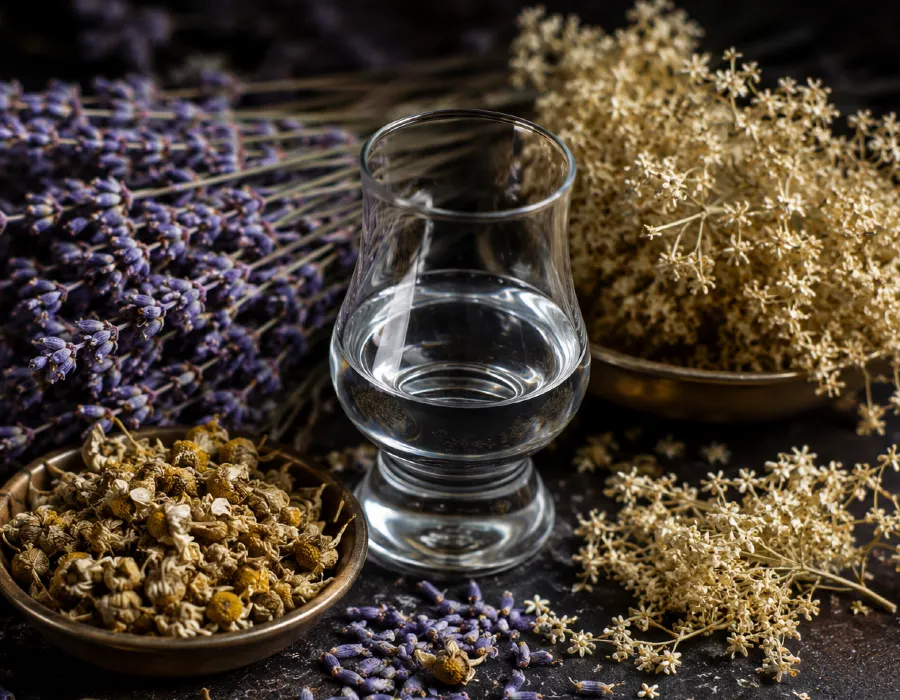
Not every gin is sharp and pine-heavy.
Botanicals like lavender, chamomile, and elderflower add floral notes that soften the spirit and lift its aroma.
These delicate ingredients can create favorite flavors reminiscent of gardens in bloom, with subtle sweetness and elegant perfume.
Where Gin Finds Its Edge
Not every botanical is polite.
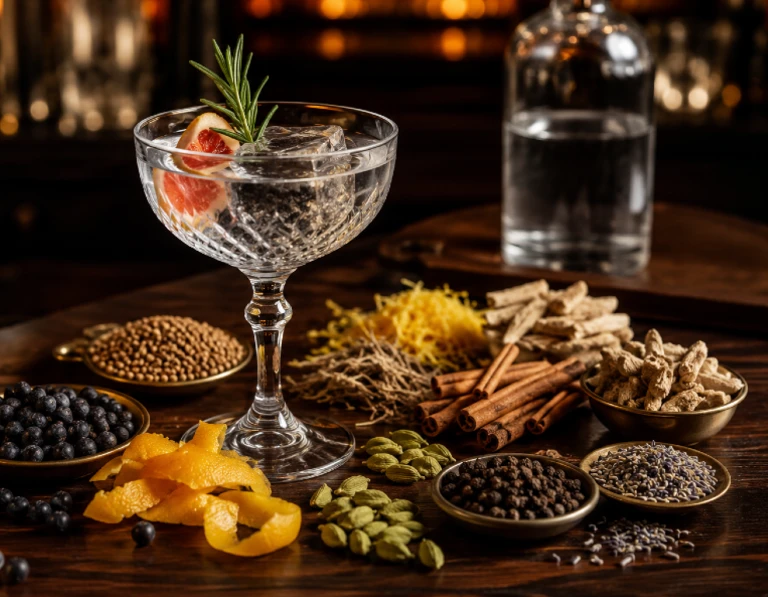
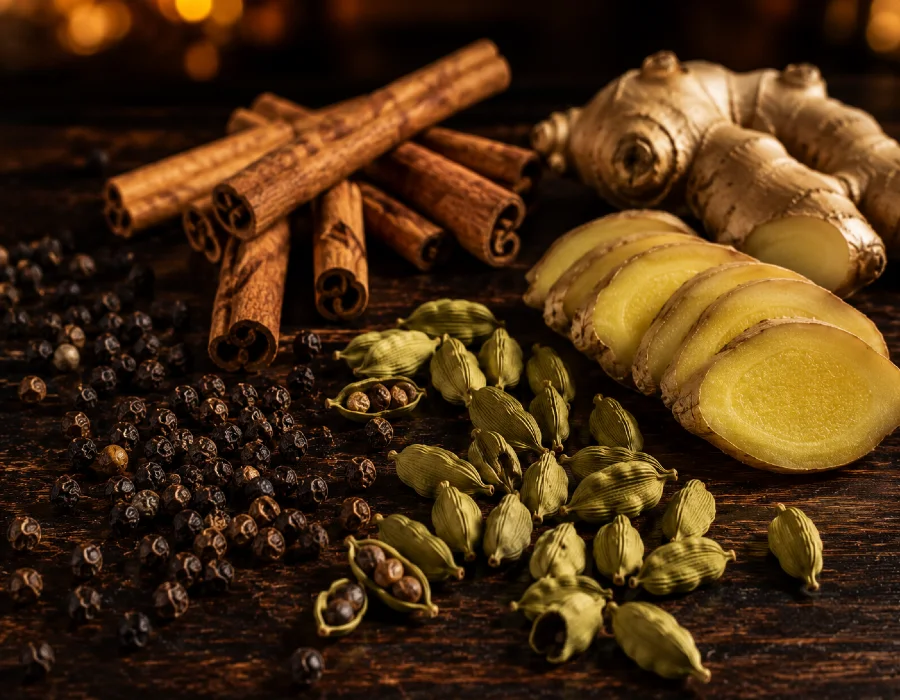
Some arrive quietly, while others kick in the door and make their presence known. Black pepper, cardamom, cinnamon, and ginger are the ingredients that give gin a little swagger. They add warmth, spice, and just enough attitude to keep the flavor profile interesting.
Black Pepper
Black pepper brings a dry, spicy bite that sharpens the overall flavor without stealing the spotlight. It adds structure and a subtle heat that lingers at the back of the palate.
Cardamom
Cardamom is intensely fragrant, with notes of citrus, herbs, and sweet spice. It can make a gin feel both bright and mysterious, adding layers that unfold with every sip.
Cinnamon and Ginger
Cinnamon contributes warm sweetness, while ginger adds a lively spicy snap. Used carefully, they create depth and energy without overwhelming the spirit.
When these spices are distilled in the right combination, they turn a good gin into something far more memorable.
Herbs That Taste Like a Fresh Garden
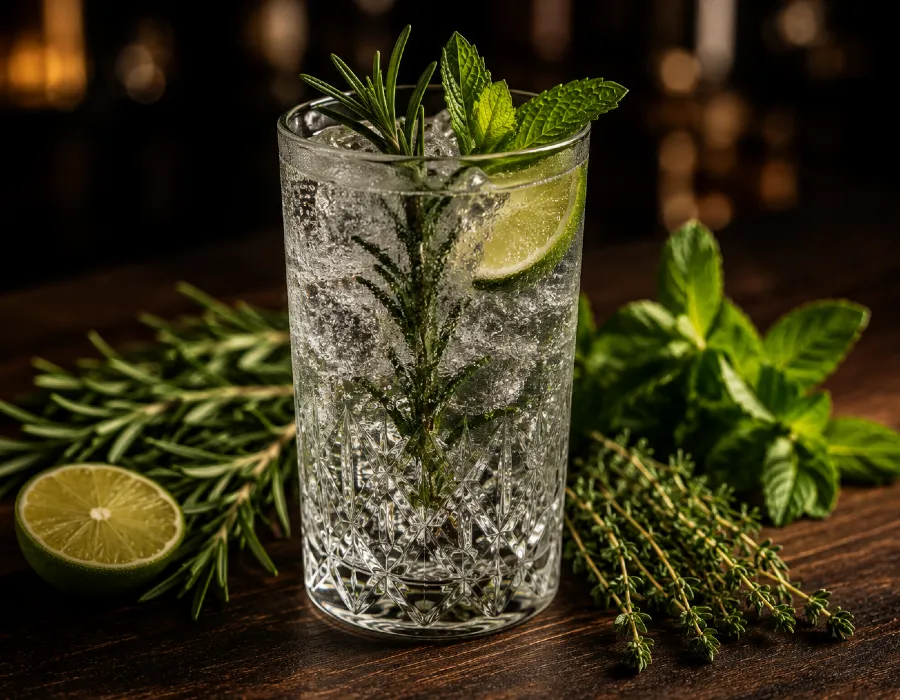
Herbs can make gin feel vibrant and savory.
Popular examples include:
- Rosemary
- Thyme
- Mint
These ingredients bring green, aromatic qualities that pair beautifully with tonic and fresh garnishes.
A sprig of rosemary or mint in your glass often echoes what is already inside the bottle.
Fruits and Unexpected Botanicals
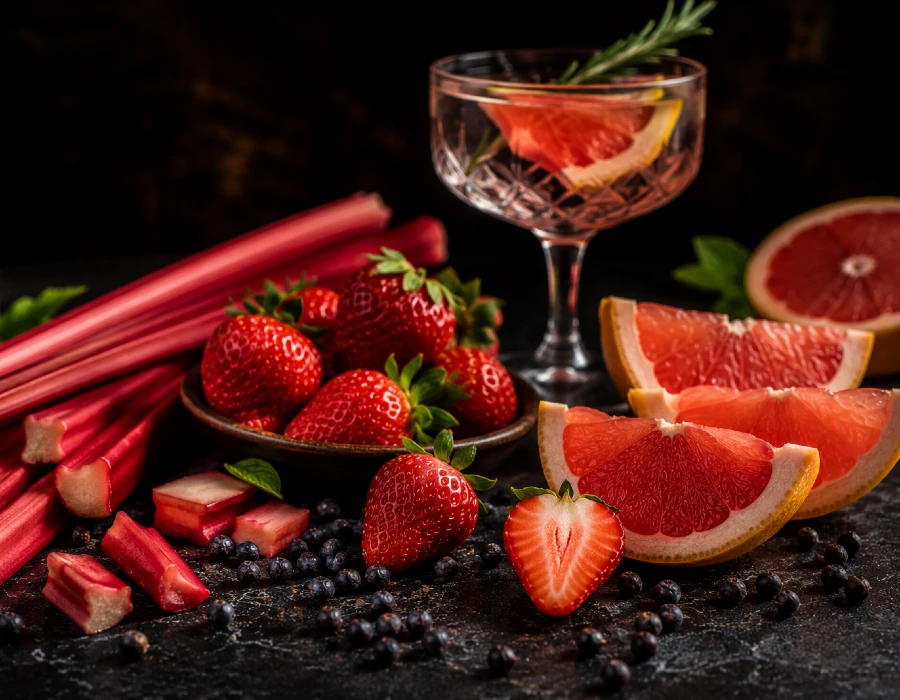
Many modern expressions explore fruits and other botanicals for distinctive twists.
You may encounter:
- Strawberries and rhubarb
- Grapefruit and orange
- Berries and fragrant plants
These additions can create flavored gin or infused gin with layers of sweet, tart, and juicy character.
Different Gin Styles
Different gin styles highlight botanicals in different ways.
London dry is known for a crisp, juniper-forward profile with no added sweeteners after distillation. Flavored gin and infused gin often lean into citrus, floral, or fruit-driven notes, while Old Tom Gin includes a touch of sweetness that softens the finish.
At Hush and Whisper, our focus is not on chasing trends. We build a spirit with a perfect balance of juniper, citrus, herbs, and subtle sweetness, allowing the botanicals to speak clearly in every sip.
How Many Distillers Build Flavor
During distillation, alcohol vapor passes through the botanicals, extracting flavor compounds and fragrant oils.
Many distillers use a dark place to store whole ingredients before use, preserving freshness and protecting delicate aromas.
The exact recipe and distillation technique determine how each botanical appears in the final spirit.
Hush and Whisper Original Gin: Built for Perfect Balance
At Hush and Whisper Distilling Co. in Bryan, our award-winning gin is crafted grain-to-glass through a meticulous distillation process that captures every botanical with intention.
On the nose, you will notice fruity citrus, juniper, and herbs. On the palate, candied sweetness meets tropical fruits and subtle herbal notes. The finish is long, smooth, and unmistakably crisp.
Whether you enjoy this drink in classic cocktails, mixed with tonic, or simply poured over ice, our gin was distilled to showcase a thoughtful balance of botanicals and style.
Botanical Bliss Cocktail Recipe
This bright and aromatic cocktail highlights the floral, citrus, and herbal notes that make Hush and Whisper Distilling Co. Original Gin so memorable. If you have been searching for Botanical Bliss ingredients, this is the exact recipe we pour when we want our gin to do the talking.
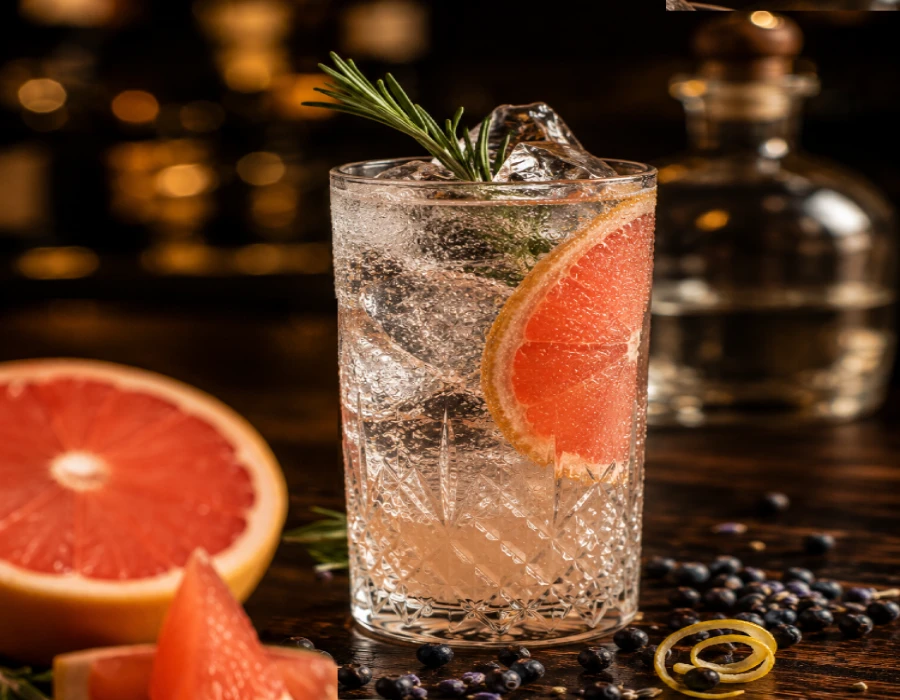
Ingredients
- 2 oz Hush and Whisper Original Gin
- 3/4 oz fresh grapefruit juice
- 1/2 oz elderflower liqueur
- 1/4 oz fresh lemon juice
- 2 oz premium tonic water
- 1 small rosemary sprig
- 1 thin grapefruit wedge
- Ice
Instructions
- Fill a crystal highball glass with fresh ice.
- Pour in our Original Gin, grapefruit juice, elderflower liqueur, and lemon juice.
- Stir gently to combine.
- Top with tonic water.
- Garnish with a rosemary sprig and a grapefruit wedge.
- Lightly clap the rosemary between your hands before adding it to release its fragrant oils.
Flavor Notes
The first sip opens with bright citrus and floral aromas, followed by soft herbal layers and a crisp juniper finish. The elderflower and grapefruit amplify the gin’s natural botanical character without overpowering it.
Perfect For
- Cocktail hour in the tasting room
- Summer evenings on the patio
- At-home gin tastings
- Impressing friends who think all gin tastes the same
This is the kind of cocktail that makes people pause after the first sip and say, “Okay… now I get gin.”
How To Taste Gin Botanicals at Home
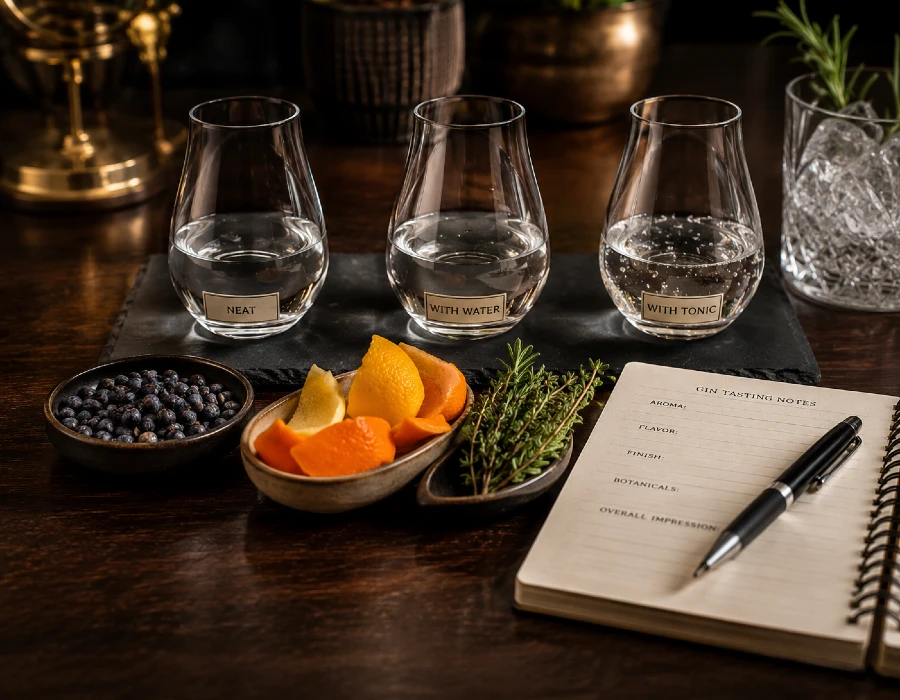
To truly unlock the layers of a craft spirit, skip the heavy mixers for a moment and pour a small neat sample into a glass. If you want to taste like a distiller, pay close attention to your environment and tools.
The Role of Temperature
Temperature acts like a volume knob for specific flavors. To find the “edge” of a gin, start at room temperature. Heat allows the heavier molecules, like black pepper, cardamom, and earthy roots, to bloom. If you want to focus on the brighter, zesty top notes, try a chilled pour. Cold temperatures often suppress the alcohol’s burn and allow the crisp citrus and delicate florals to step forward.
Choosing Your Glassware
While a highball glass is perfect for a G&T, a martini glass can also beautifully highlight the aroma when you want a more elegant tasting experience. A tasting glass with a tapered opening (like a Glencairn or a small wine glass) is even better for analysis.
The narrow top concentrates the aromas, funneling them directly to your nose. This helps you identify subtle notes, like the tropical fruits in our Original Gin, before the liquid even touches your tongue.
The “Opening” Technique
After your first sip, add a few drops of room-temperature water. This lowers the ethanol concentration and breaks the surface tension of the spirit. This simple recipe trick often releases trapped aromatic oils, revealing hidden herbal accents or sweetness that the high proof originally masked.
A splash of soda can also soften the alcohol and reveal delicate layers without covering the underlying botanicals.
Take your time with the glass. Notice which flavors hit your tongue first and which ones linger after you swallow. A well-balanced gin should feel like a complete story, moving from a bright beginning to a long, clean finish.
Finding the Flavor Profile You Love
The wonderful thing about gin is that no two bottles taste exactly alike.
Some are boldly juniper forward. Others lean citrusy, floral, earthy, or spicy. Some have no added sugar, while others lean into a softer, sweeter profile.
Once you start understanding botanicals, every glass becomes more interesting.
If you want to explore a gin with depth, clarity, and award-winning character, visit Hush and Whisper Distilling Co. in Bryan, Texas, or contact us to discover which flavors speak to you most.