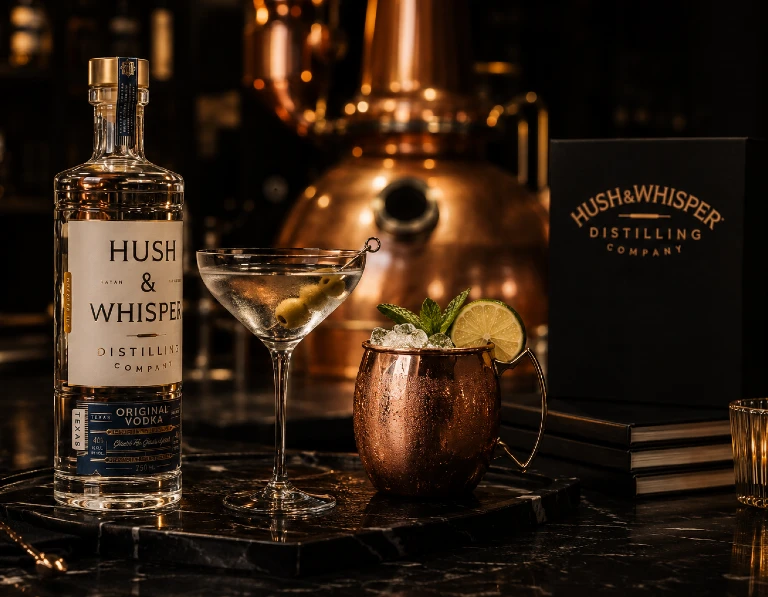
If you’ve ever wondered how craft vodka is made from grain to glass, you’re not alone. Most people see a clear spirit in a bottle but rarely think about the craftsmanship, science, and precision behind every pour. Understanding how vodka is made doesn’t just satisfy curiosity. It changes the way you taste, appreciate, and choose your next drink, whether that’s a classic Martini, a Moscow Mule, or simply vodka over ice.
In this guide, we’ll follow the complete journey of craft vodka, from selecting premium grains and creating the mash to fermentation, distillation, filtration, and bottling. Along the way, you’ll discover what separates craft vodka from mass-produced brands, why every decision matters, and how Hush and Whisper Distilling Co. transforms simple ingredients into vodka distilled to perfection.
At Hush and Whisper Distilling Co., we believe great vodka starts long before the first sip. It begins with carefully selected local grain, experienced master distillers, and a commitment to grain-to-glass craftsmanship that gives every bottle its own story. Once you understand the process, you’ll never look at vodka the same way again.
So, if you’ve got a taste for craft spirits, this blog’s for you.
Where Every Great Vodka Begins
Before a single drop of liquid reaches the still, the vodka’s quality has already been influenced by its ingredients. Master distillers know that exceptional spirits begin with exceptional raw materials. You cannot create a great vodka from poor-quality grain and expect distillation to fix it later.
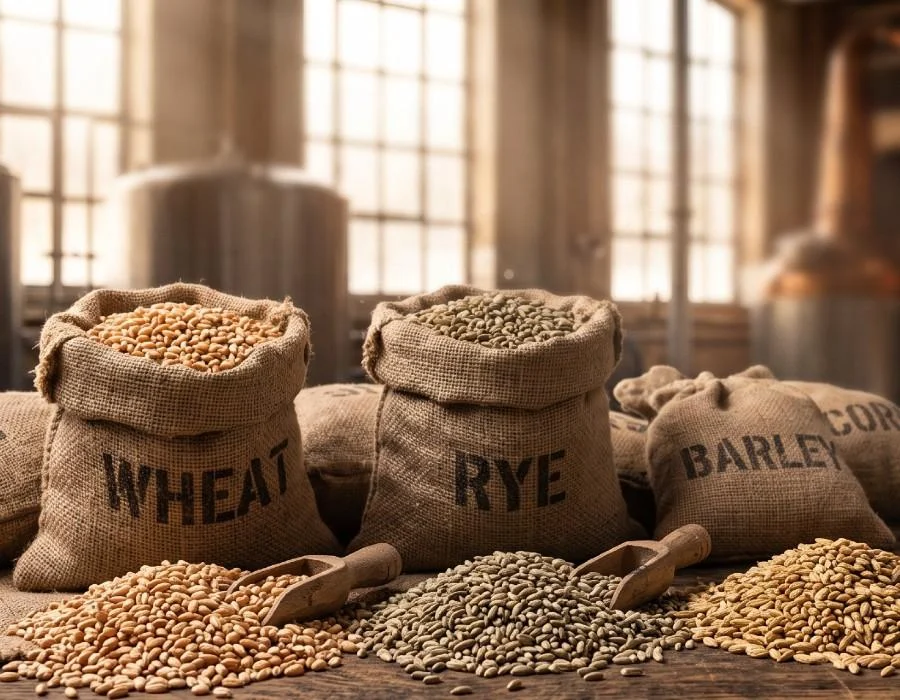
While some brands produce potato vodka, others rely on wheat, rye, barley, or corn. Each brings something slightly different to the final spirit. Wheat often creates a softer, creamier texture; rye contributes a little spice; barley adds depth; and corn naturally lends a gentle sweetness. There isn’t a single “correct” choice. It simply comes down to the style the distillery wants to create.
At Hush and Whisper, the journey starts with locally sourced grain because authenticity matters just as much as technique. Grain-to-glass isn’t simply a phrase. It’s a philosophy that influences every batch we produce.
Every great bottle starts with the grain. Master distillers carefully select wheat, rye, barley, or corn based on the style of vodka they want to create, because every grain contributes something different to the final spirit.
Why the Grain Matters More Than You Think
The mash bill determines far more than many people realize. Although vodka is often celebrated for its purity, the original grain still contributes subtle texture, mouthfeel, and character that remain after distillation.
That’s one of the biggest differences between craft vodka and mass-produced brands. Rather than stripping away every trace of personality, craft distillers work to preserve the qualities that make each bottle distinctive while still delivering a remarkably smooth finish.
The First Step in Vodka Production

Once the grain has been selected, the real work begins. Vodka production combines science, precision, and patience, with every stage preparing the spirit for the next. Skipping steps or rushing the process almost always shows up in the finished bottle.
Milling and Preparing the Grain
The grain is first milled into smaller pieces before being transferred into a mash tun. Warm water is added, and the mixture is carefully heated to specific temperatures.
During this stage, naturally occurring enzymes begin converting starches into fermentable sugars. Without this conversion, the yeast would have nothing to consume later during fermentation. Maintaining the correct temperature throughout the mash is essential because even small changes can affect efficiency and consistency.
Fermentation: Turning Grain Into Alcohol
Once the mash has cooled, yeast is introduced. Over the next several days, the yeast consumes the sugars and produces alcohol, carbon dioxide, and hundreds of subtle flavor compounds.
The result is known as a fermented wash. Although it resembles a simple grain beer more than vodka at this point, it contains everything needed for the next stage of the journey. The wash may not taste particularly refined, but it contains the building blocks of the final spirit.
How Vodka Is Distilled
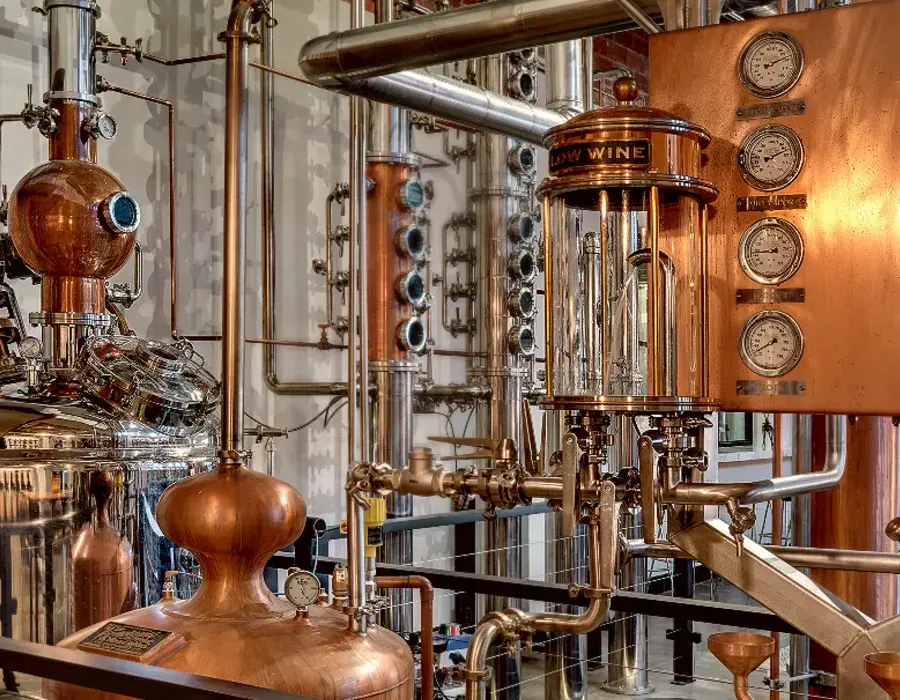
Distillation is where the transformation really begins. Heat allows alcohol to separate from water because alcohol evaporates at a lower temperature. Master distillers carefully control every stage of this process, separating desirable alcohol from unwanted compounds with remarkable precision.
During distillation, the first portion, known as the heads, is removed. The final portion, called the tails, is also separated because it contains heavier compounds that can negatively affect flavor. Only the clean heart of the run becomes the vodka destined for the bottle.
The Science Behind Distillation
Now that we’ve covered the heads, hearts, and tails, it’s worth taking a closer look at the science that makes distillation possible. As the liquid is heated, alcohol vapor rises through the still, where it is cooled and condensed back into liquid, creating a cleaner, more concentrated spirit.
Why Copper Stills Matter
At many craft distilleries, including Hush and Whisper, copper pot stills are used because they offer exceptional flavor control while helping remove unwanted sulfur compounds during distillation. Copper has long been the preferred material for master distillers, producing a cleaner, more refined spirit while still preserving the subtle character developed during fermentation.
Separating the Heads, Hearts, and Tails
During distillation, distillers carefully separate the heads, hearts, and tails. The heads contain compounds that are discarded, while the tails hold heavier oils and flavors that are also removed. Only the hearts become the final spirit, making these precise cuts one of the most important decisions in vodka production.
Does More Distillation Make Better Vodka?
Some commercial brands proudly advertise that their vodka undergoes triple, quadruple, or even quintuple distillation. While multiple passes through the still can increase purity, more distillation doesn’t automatically create better vodka. High-proof distillation helps produce a remarkably clean spirit, but great craft vodka comes from careful decision-making at every stage of the process, not simply from chasing bigger numbers. That balance of science, skill, and craftsmanship is what separates a good vodka from one that’s truly distilled to perfection.
Why Distilling Vodka Multiple Times Isn’t Always Better
Many large brands advertise how many times their vodka is distilled, but more isn’t automatically better. Over-distillation can remove much of the spirit’s natural personality.
A well-made craft vodka prioritizes quality cuts over marketing numbers. The objective is a smooth vodka that still retains subtle texture and depth rather than tasting completely lifeless.
Filtration, Proofing, and Bottling
After distillation comes filtration. Activated carbon is commonly used to remove remaining impurities while polishing the spirit without stripping away everything that makes it interesting.
The vodka is then proofed by blending it with carefully treated water until it reaches its desired ABV. Every adjustment is repeatedly tested to keep consistency before the spirit is bottled.
Before bottling, the vodka is blended with purified water until it reaches the desired alcohol by volume. In the United States, vodka is typically bottled at 40% ABV, creating the smooth, balanced profile most people expect.
Filtering Without Losing Character
Good filtration isn’t about making vodka taste like nothing. It’s about refining what is already there.
The best craft vodka retains a soft mouthfeel and gentle character while delivering exceptional smoothness from the first sip to the last.
From Still to Bottle
Once proofing is complete, every bottle is filled, sealed, labeled, and inspected before leaving the distillery. By this point, the journey from simple grain to finished vodka is complete, representing countless hours of craftsmanship, skill, and dedication.
What Makes a Great Vodka?
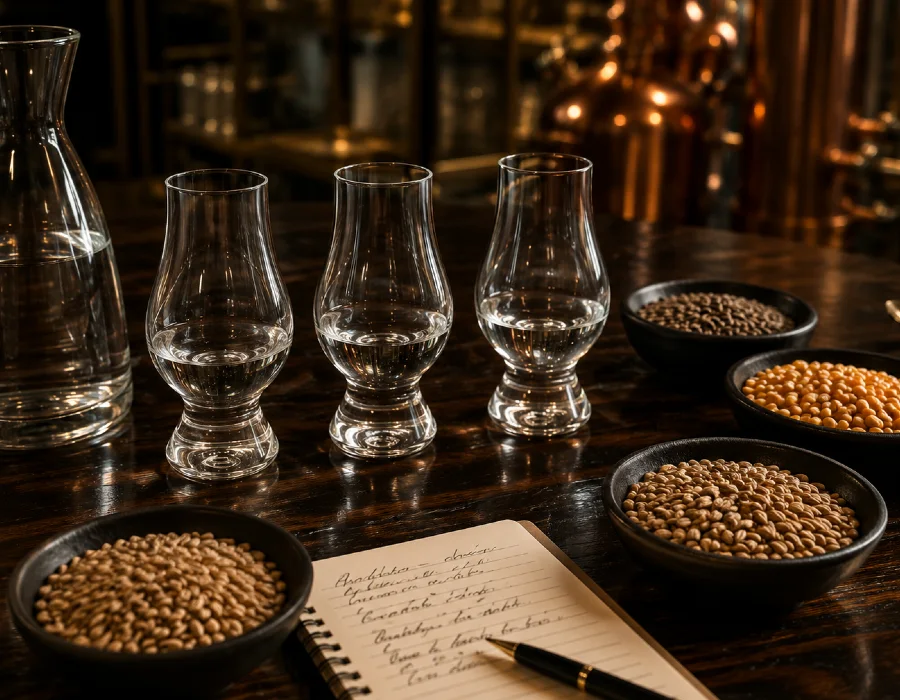
By now, you’ve seen that great vodka doesn’t happen by accident. It starts with quality ingredients, continues through careful fermentation, precise distillation, thoughtful filtration, and ends with a distiller who refuses to cut corners. Every step influences the final spirit, even if the differences seem subtle.
So, what is vodka made from? Most people assume there’s only one answer, but that’s far from the truth. Vodka can be made from wheat, rye, corn, barley, potatoes, and even grapes or other agricultural ingredients. Each one contributes something different to the final spirit, from a creamy mouthfeel to subtle sweetness or a touch of spice.
The finished spirit should be smooth enough to enjoy neat while still carrying enough character to shine in a Martini, a Moscow Mule, or your favorite cocktail. That’s where craft brands continue to separate themselves from mass-produced alternatives.
Craft Vodka vs. Mass-Produced Vodka
Large producers often prioritize efficiency and consistency above everything else. Craft distilleries have the freedom to focus on smaller batches, make adjustments when necessary, and pay close attention to every stage of production.
That difference may seem small on paper, but it’s immediately noticeable once the vodka reaches your glass. Great vodka isn’t defined by how many times it’s distilled or how expensive the bottle looks. It’s about balance, texture, and flavor. Some people prefer an exceptionally clean spirit, while others enjoy a little more grain character or a rounder finish. Personal preference plays a much bigger role than most people realize.
Why Ingredients Still Matter
Even after filtration and distillation, the original grain leaves its mark. Whether it’s the creamy texture of wheat, the peppery notes of rye, the natural sweetness of corn, or the depth of barley, those subtle differences help tell the story behind every bottle.
Hush and Whisper Distilling Co.’s Approach

Every spirit has a story, and ours begins here in Bryan. While our award-winning gin celebrates juniper and bold botanicals, our vodka proves that restraint can be just as impressive. Different spirits demand different approaches, but they all share the same commitment to craftsmanship.
From sourcing quality local grain to monitoring each batch through fermentation, distillation, filtration, and bottling, every decision reflects our commitment to craftsmanship and authenticity.
From Local Grain to Finished Bottle
Our grain-to-glass philosophy means we stay involved throughout the entire journey. Nothing is left to chance because consistency comes from attention to detail rather than shortcuts.
Every bottle is a testament to the people behind it and the passion they bring to the distillery every single day.
Why We Believe Vodka Should Have Personality
Vodka doesn’t have to disappear behind mixers to be enjoyable. A well-made craft vodka carries enough flavor and texture to stand on its own while remaining clean enough for your favorite cocktails.
That’s the difference thoughtful production can make.
Taste the Difference for Yourself

Once you understand how craft vodka is made from grain to glass, every pour becomes a little more meaningful. You begin to appreciate the science behind fermentation, the precision of distillation, and the craftsmanship required to create a spirit that feels effortless in the glass.
The next time you’re in Bryan, stop by Hush and Whisper Distilling Co. for a tasting and experience our craft vodka where it’s made. Whether you enjoy it neat, in a classic Martini, or mixed into a refreshing Moscow Mule, you’ll discover why great spirits always begin with great craftsmanship.
If you’re ready to dive deeper into the world of craft spirits, contact us or drop by in Bryan. We’d love to show you how grain becomes great vodka and why that journey brings every bottle to life.