Walk into any liquor store, and the vodka aisle stretches forever. Bottles promising smoothness, purity, and premium quality. Some cost $15. Others $50. But here’s the thing: the liquid inside tells a completely different story than what’s printed on the bottle.
Look, we’re not saying you’re wrong for buying commercial vodka. We’re just saying you could be so much more right.
At Hush and Whisper Distilling Co. in Bryan, Texas, we make award-winning spirits the hard way. Grain to glass. Small batch production. Real ingredients. When people ask what separates craft vodka from mass-produced spirits, we pour them two glasses and let the spirit speak for itself.
Since you’re not standing at our bar right now, here it is. Craft Vodka vs. Commercial Vodka: The Quality Difference? Significant.
Where Vodka Actually Begins: The Base Ingredients
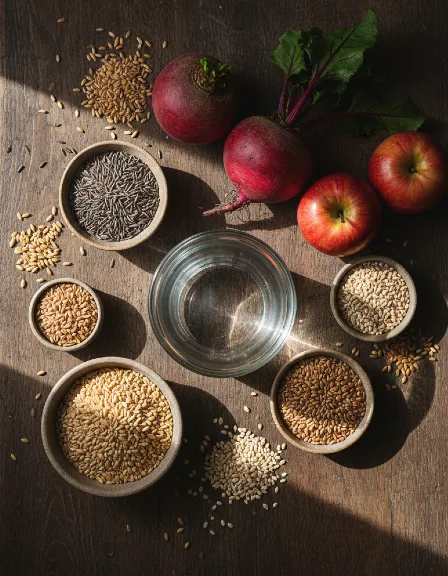
What you start with determines everything that follows. Vodka might look crystal clear in the bottle, but before distillation, it begins as fermented grain or another starch source. The base ingredient shapes texture, subtle flavor, and character long before the liquid reaches a still.
Commercial Vodka Starts With Whatever’s Cheap
What often goes into commercial vodka:
- Industrial neutral spirit purchased in bulk
- “Grains” that could be corn, wheat, barley, or whatever is most affordable
- Sometimes molasses or other starch sources
- Many brands don’t even distill their own ethanol
It’s like buying a frozen dinner and telling your date you cooked.
Craft Vodka Starts With Intention
Craft vodka makers choose base ingredients for flavor and structure, not just efficiency.
- Wheat for soft, slightly sweet character
- Corn for natural flavor and body
- Rye for distinctive character and spice
- Potatoes for creamy texture
- Sugar beets for pure vodka with subtle sweetness
- Fruit like apples or grapes for unique profiles
Some craft producers even use malted grain to assist starch conversion during fermentation, because they care how that stage unfolds.
The base ingredient isn’t just about producing alcohol. It’s about building character from the start. At Hush and Whisper, we start with grain because we want control over every step, from fermentation to the finished vodka in your glass.
We’re control freaks. It makes better vodka.
The Distillation Process: Where Magic Happens
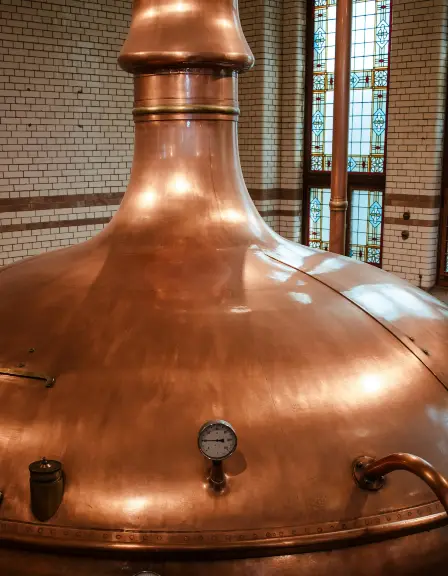
Distillation is where vodka becomes vodka. It’s also where philosophies separate.
Commercial Manufacturing Process
Commercial production focuses on scale.
- Continuous stills run 24/7, processing thousands of gallons
- Goal: strip everything down to neutral spirit
- Maximum volume, minimum variation
- Pure ethanol and water, nothing else
They call it smooth. We call it aggressively neutral.
Craft Distillation Process
Craft distillers slow things down.
- Small batch production with hands-on attention
- Pot stills or hybrid systems for precise control
- Careful cuts to keep good flavor and remove harsh elements
- Slower runs, smaller volume, borderline obsessive quality
The American Distilling Institute does not hand out medals for being mediocre. Our award-winning approach means every batch gets tasted, evaluated, and adjusted. That’s how you produce vodka with actual character.
Fermentation: The Step Everyone Forgets
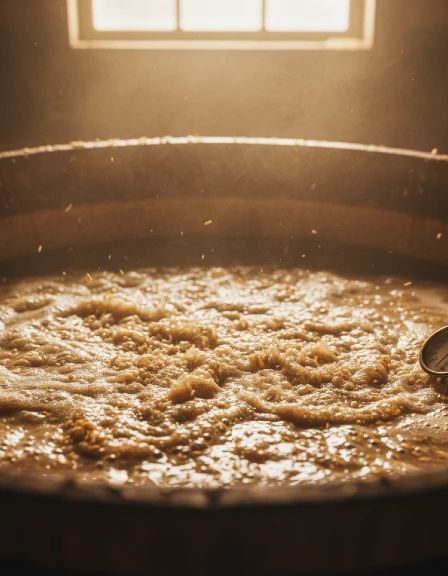
Before you distill vodka, yeast has to eat sugar and produce alcohol. This matters more than most people realize.
Commercial Fermentation
- Industrial yeast strains
- Fast turnaround
- Produce ethanol and move on
Craft Fermentation
- Specific yeast strains selected for subtle flavor development
- Temperature and timing controlled carefully
- The mixture of grain, little water, and yeast develops complexity
What goes into the still determines what comes out. Start boring, end boring. Start interesting? Now you’re creating something worth drinking.
Water: The 60% Nobody Talks About
Finished vodka is roughly 60% water. Use terrible water, make terrible vodka. Not complicated.
Commercial Vodka Uses
- Municipal or industrial water sources
- Heavily treated distilled water
- Zero character by design
Craft Vodka Uses
- Spring water or well water
- Natural minerals that affect taste and mouthfeel
- Water that contributes to balance
Two vodkas from identical base spirits can taste completely different depending on the water used to bring them to the right ABV. We’re particular about our water. Call it snobbery. We call it giving a damn.
Filtration: Where Marketing Gets Weird
Filtered through diamonds. Strained through volcanic rock. Passed through something that sounds impressive.
Commercial Filtration
- Heavy charcoal filtration
- Removes impurities and flavor
- Goal: consistency over quality
- Bland over interesting
Craft Filtration
- Strategic filtering to remove harsh compounds
- Preserves natural flavor and aroma
- Just enough to produce pure vodka without erasing character
At Hush and Whisper, we filter thoughtfully because it produces better vodka, not because it sounds good on a label.
Additives: The Dirty Secret
Vodka regulations allow certain additives without label disclosure.
What Some Commercial Brands May Add
- Glycerin for artificial smoothness
- Citric acid
- Small amounts of sugar for mouthfeel
- All legal, often undisclosed
What Craft Distillers Add
- Nothing
Just grain, water, yeast, and a controlled distillation process.
When we say grain-to-glass, the flavor comes from the process, not from something stirred in afterward.
Taste: The Only Thing That Matters
Pour two vodkas side by side in a proper glass at room temperature.
Commercial Vodka Tastes Like
- Alcohol and water
- Clean but featureless
- Neutral spirit doing its job
- The beverage equivalent of beige
Craft Vodka Tastes Like
- Gentle sweetness from corn
- Creamy texture from wheat or potatoes
- Subtle spice from rye
- Clean finish with a slightly sweet edge
- Distinctive character worth discovering
The difference is subtle. Vodka is not supposed to shout like bourbon or gin. But those subtle differences separate mass production from quality.
If you can’t taste the difference, try again. Slowly.
Award-Winning Vodka in Cocktails
“Vodka is vodka. It doesn’t matter in mixed drinks.”
That’s usually said right before someone tastes the difference.
Where Commercial Vodka Falls Short
- Delivers alcohol and little else
- The drink tastes mostly like the mixer
- Raises the ABV, that’s it
Where Craft Vodka Shines
- Adds texture and natural flavor
- Better mouthfeel and finish
- Creates a more integrated cocktail
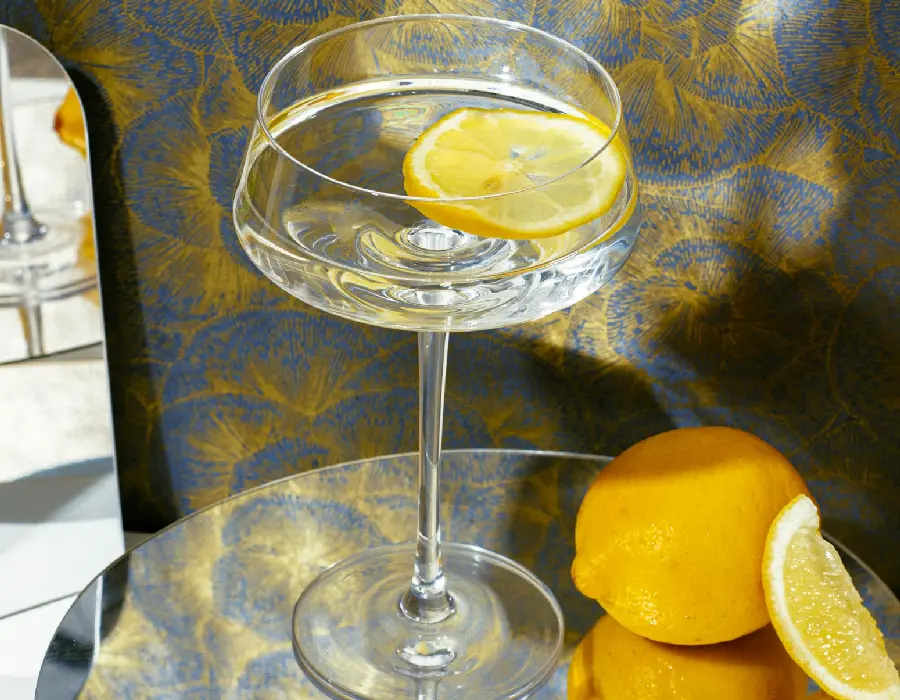
Make a martini with commercial vodka. Then make one with craft vodka. Same dry vermouth, same ratio, same ice. The second one is smoother and more balanced.
Craft martini drinkers sip. Well, vodka drinkers drink.
There’s a difference.
Classic Vodka Cocktails That Showcase Quality
Classic Vodka Martini
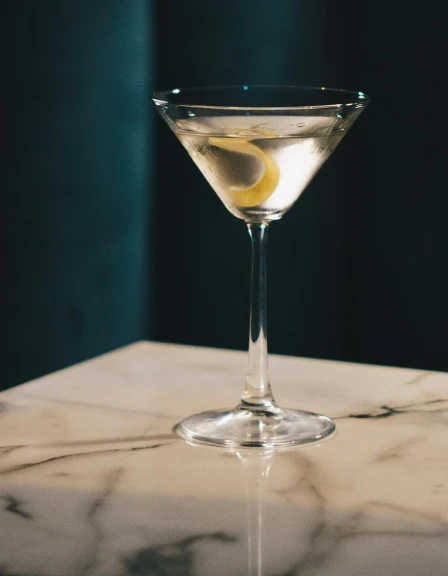
Ingredients:
- 2 1/2 oz vodka
- 1/2 oz dry vermouth
- Lemon twist or olives
- Ice
Instructions:
- Fill mixing glass with ice
- Add vodka and dry vermouth
- Stir 20–30 seconds until cold
- Strain into chilled martini glass
- Garnish
Nothing to hide behind. Just the spirit.
Moscow Mule
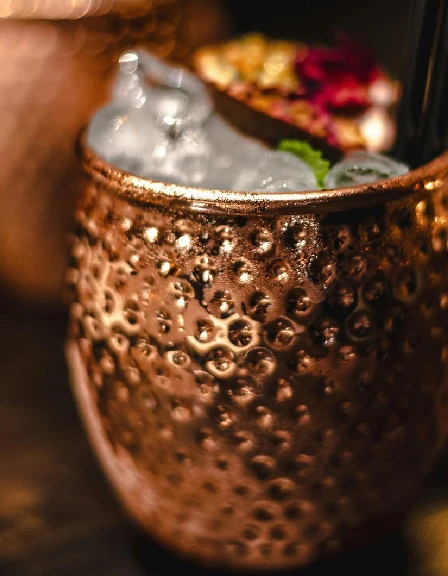
Ingredients:
- 2 oz vodka
- 1/2 oz fresh lime juice
- 4–6 oz ginger beer
- Lime wheel
- Ice
Instructions:
- Fill glass with ice
- Add vodka and lime juice
- Top with cold ginger beer
- Stir gently
- Garnish
It’s more than just a craft-vodka trend; it gives this drink structure instead of just alcohol.
Flavored Vodka: The Right Way vs The Wrong Way
Flavored vodka isn’t the villain. It’s how it’s made that matters.
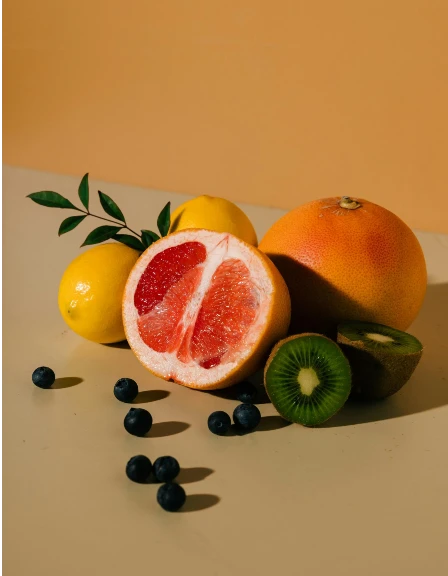
Commercial Flavored Vodka
- Artificial flavors or extracts
- Added to neutral spirit
- Often tastes overly sweet
- More beverage than spirit
Craft Flavored Vodka
- Real fruit or spices
- Natural flavor from infusion or redistillation
- Actual ingredients that grew in the ground
- Character that complements the base vodka
If you want flavored vodka, choose one rooted in real ingredients, not lab shortcuts.
Sustainability: Why Source Matters
Where and how vodka is produced affects more than flavor.
Commercial Production
- Global supply chain
- Grain from one country, distillation in another
- Efficient but disconnected
Craft Production
- Local sourcing when possible
- Water from local sources
- Spent grain returned to farmers
- Revenue stays in the community
When you buy Hush and Whisper vodka, you support Bryan, Texas, not a distant corporate headquarters. In a world of industrial-scale production, that connection still matters.
Vodka Makers’ Bottom Line

This isn’t about snob appeal. It’s about quality you can taste the moment the liquid hits the glass.
Commercial vodka is designed for scale, offering consistency, availability, and a neutral spirit that mixes well without standing out. It works, fills shelves, and gets the job done.
Craft vodka is built differently, with real ingredients, careful fermentation, and precise distillation. It’s clean but also has structure, texture, and natural flavor worth noticing.
At Hush and Whisper, we make vodka because we believe it deserves more respect than being labeled “just neutral.” Small batch care, hands-on evaluation, and an intentional grain-to-glass process are not marketing phrases for us. They are the standard.
If you want to taste the difference for yourself, don’t wait. Visit our distillery in Bryan, Texas, or contact us. Learn more about our award-winning vodka and reserve your special events. Pour it neat. Build a martini. Let it come to room temperature. Take your time.
Vodka does not have to be boring. It just has to be made well.