
The vodka martini has a reputation problem. Half the world thinks it is the only way to make a martini. The other half thinks you are ordering wrong. Neither side is completely right, but both are absolutely certain they are.
At Hush and Whisper Distilling Co., we do not have strong feelings about your martini preferences. Gin or vodka, dirty martini, dry martini, shaken, stirred. We are not here to judge. We are here to make sure whatever lands in your martini glass actually tastes like something.
A good vodka martini is not about following rules written by people who take themselves too seriously. It is about balance, high-quality vodka, proper vermouth, and knowing what kind of cocktail you actually enjoy drinking.
Some people want the classic martini. Some want it twisted. Some want it so dirty it needs a shower. All of them are valid as long as the drink is cold and the vodka does not taste like regret.
This guide covers vodka martini recipes, classic and contemporary, from the perfect vodka martini to modern martini variations built for people who like their cocktails with a little personality.
Why Vodka Martinis Get So Much Attitude
The martini cocktail inspires strong opinions for something that is basically alcohol in a glass. Traditionally, the classic gin martini dominated cocktail culture. Built with gin and dry vermouth, it became one of the defining drinks of the American bar scene before vodka arrived and completely changed the conversation.
The Rise of the Vodka Martini
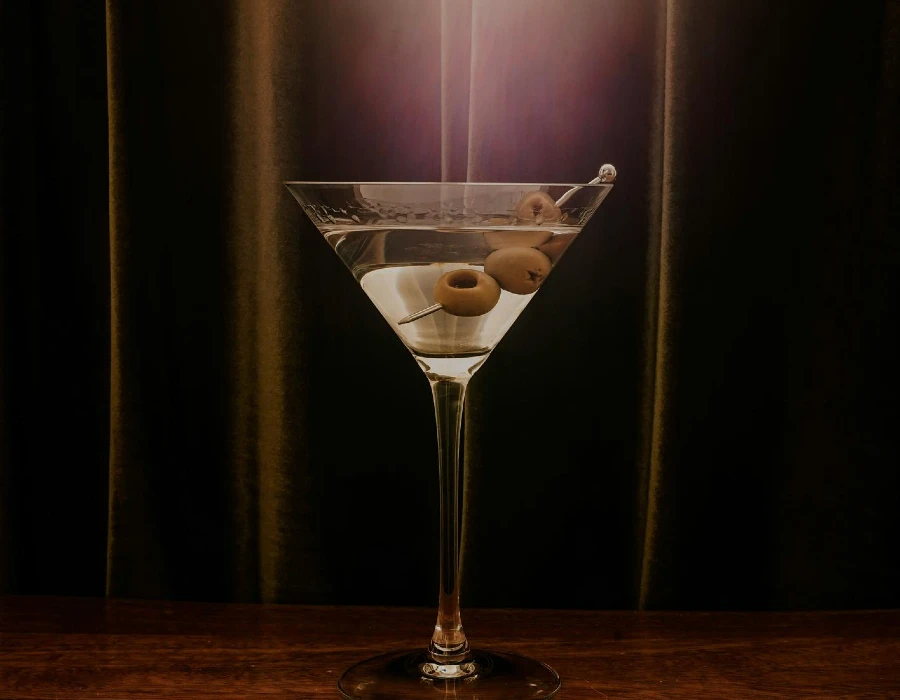
Vodka martinis exploded during the mid-century cocktail boom because they offered a cleaner profile with less botanical intensity than gin. They felt smoother, easier to drink, and more approachable for people who did not love aggressive herbal flavors. Then James Bond came along and made the whole thing even louder.
His “shaken, not stirred” line turned the martini into a personality trait overnight. Bartenders rolled their eyes, the public ordered another round anyway, and suddenly the vodka martini became one of the world’s most recognizable drinks.
Gin or Vodka?
Here is the truth nobody likes admitting: both work.
A classic gin martini delivers structure, herbs, and complexity. Vodka creates a smoother, cleaner drink that lets the vermouth and garnish stand out more clearly. Neither option is wrong. It just depends on your taste and what kind of cocktail experience you want that night.
If you prefer either gin or vodka, congratulations. You already understand martinis better than most internet arguments do.
What Makes a Vodka Martini Actually Good

A bad martini is just cold alcohol pretending to be sophisticated. A good one feels intentional, balanced, and clean from the first sip to the last. The difference usually comes down to a few details that people far too often ignore.
Start With High-Quality Vodka
Vodka is the key ingredient, which means quality matters immediately. A good vodka should feel clean without becoming sterile, smooth without becoming boring, and structured enough to hold its own in a minimalist cocktail.
At Hush and Whisper, we distill vodka that contributes flavor and texture rather than disappearing completely into the glass. In a martini recipe, there is nowhere for bad spirits to hide, which is exactly why quality matters so much.
Vermouth Matters More Than People Think
Vermouth is not decoration. It is wine, and it changes the entire balance of the cocktail. Dry vermouth is the standard for a dry martini, while sweet vermouth works in drinks like a perfect martini, where both styles come together.
And for the love of all decent cocktails, refrigerate your vermouth. Old vermouth ruins otherwise delicious cocktail recipes faster than almost anything else behind the bar.
Shaken or Stirred?
This debate has somehow survived for decades because people love pretending martinis have strict rules. Shaken martinis cool faster and develop a slightly cloudy texture, while stirred martinis stay crystal clear and silkier on the palate.
If you want the classic approach, stir using a mixing glass. If you want extra chill and texture, grab a cocktail shaker and shake it hard. Both approaches work perfectly well, depending on the drink you are making.
The martini police are not coming for you.
How to Serve the Perfect Vodka Martini
Even a great recipe falls apart if the setup is wrong. Temperature, dilution, garnish, and glassware all change the final drink, which means small details matter more than people realize.
Chill the Glass First
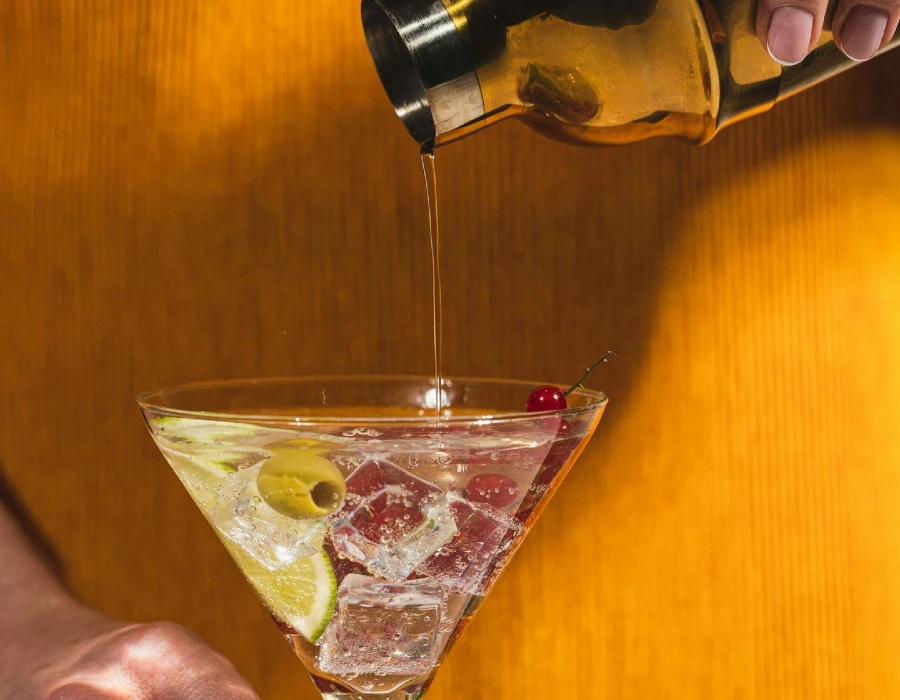
A chilled martini glass is non-negotiable. Put the glass in the freezer for at least 10 minutes before serving because a warm glass kills a martini faster than bad vodka.
That icy temperature keeps the cocktail crisp, structured, and refreshing through the first few sips.
Choose the Right Garnish
The garnish changes both the flavor and the aroma, so it should actually contribute something to the drink rather than just sit there looking decorative.
- Lemon twist adds brightness and citrus oils
- Lemon peel creates a cleaner citrus aroma
- Olive garnish adds salinity and richness
- Green olive works especially well in a dirty martini
Those small additions completely change the cocktail’s final flavor profile.
Stirring vs. Shaking
If your martini leans spirit-forward and delicate, stir it. If the cocktail contains juice, espresso, or creamy ingredients, shake it instead.
That simple rule covers most martini variations without turning the whole process into a chemistry lecture.
Classic Vodka Martini Recipes
Some cocktails survive for decades because they work. These are the martini recipes that earned permanent placement on almost every opening menu in cocktail history.
The Classic Vodka Martini Recipe

This is the baseline martini recipe. Cold, clean, sharp, and timeless, with just enough dry vermouth to soften the vodka without getting in the way.
Ingredients
- 60 ml vodka
- 10 ml dry vermouth
- Ice
- Lemon twist or olives
Instructions
Fill a mixing glass with ice. Add vodka and dry vermouth, then stir for 20 to 30 seconds until properly chilled. Strain into a chilled martini glass and garnish with a lemon twist or olives.
Simple. Balanced. Classic.
The Dirty Martini Recipe
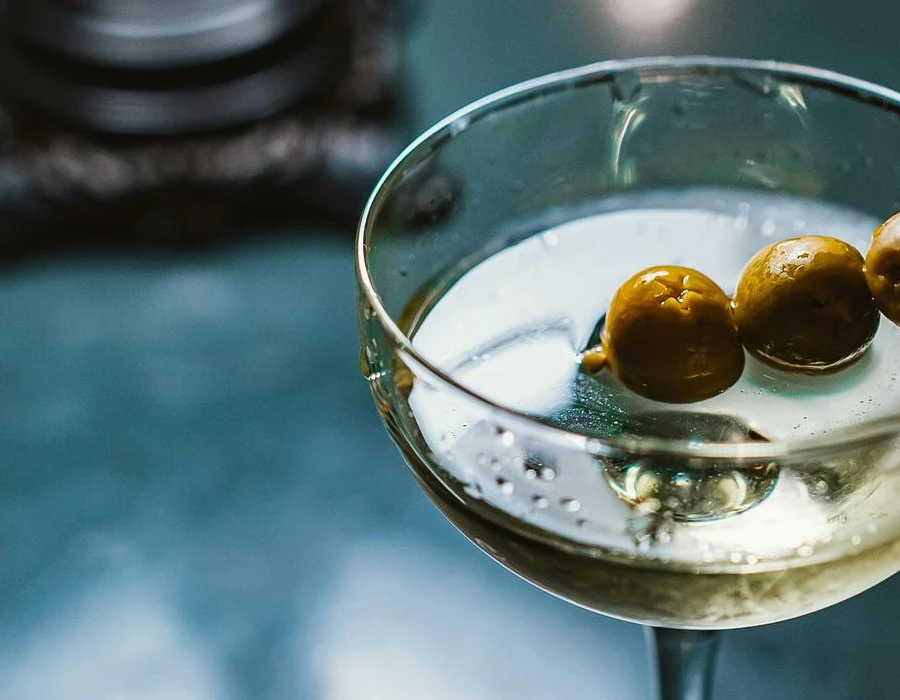
The dirty martini exists for people who think olives are the entire point, and honestly, sometimes they are right.
Ingredients
- 60 ml vodka
- 10 ml dry vermouth
- 15 ml olive brine
- Ice
- Green olive garnish
Instructions
Mix vodka, dry vermouth, and olive brine in a cocktail shaker filled with ice. Shake thoroughly and strain into a chilled martini glass. Garnish with green olives.
Salty, cold, and unapologetically aggressive.
Contemporary Martini Variations
Modern martini variations loosen the rules a little. Some lean refreshing, some lean dessert, and some barely resemble the classic cocktail anymore. Honestly, that is part of the fun.
Espresso Martini
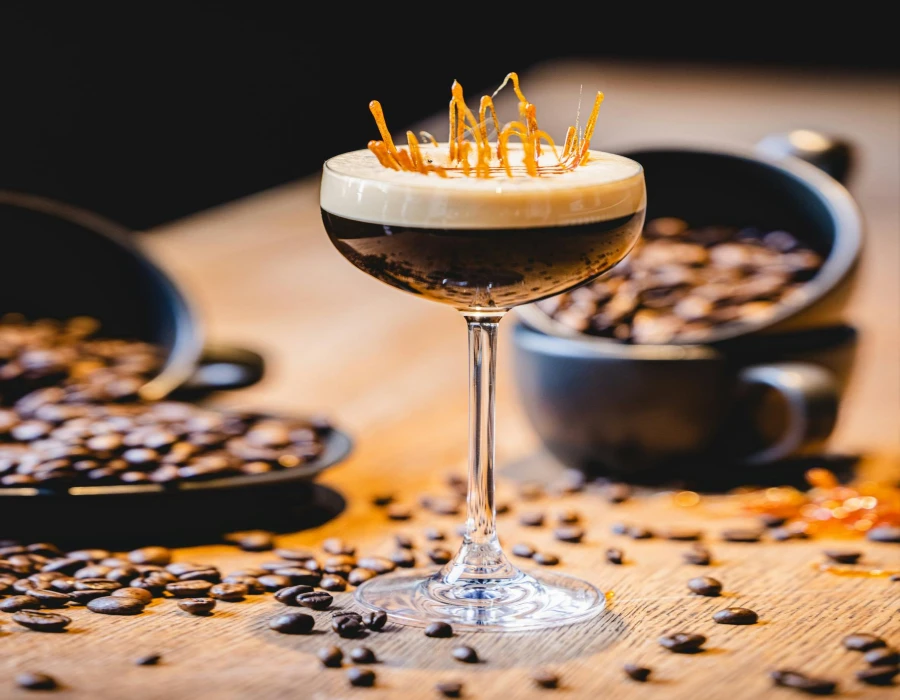
The espresso martini became a modern classic for a reason. Sweet, caffeinated, and dangerously easy to drink, it manages to feel both elegant and chaotic.
Ingredients
- 50 ml vodka
- 30 ml coffee liqueur
- 30 ml fresh espresso
- 15 ml simple syrup optional
- Ice
Instructions
Add everything to a cocktail shaker with ice and shake hard until frothy. Strain into a chilled martini glass.
This is dessert, energy, and questionable late-night decisions all in one cocktail.
Lemon Drop Martini
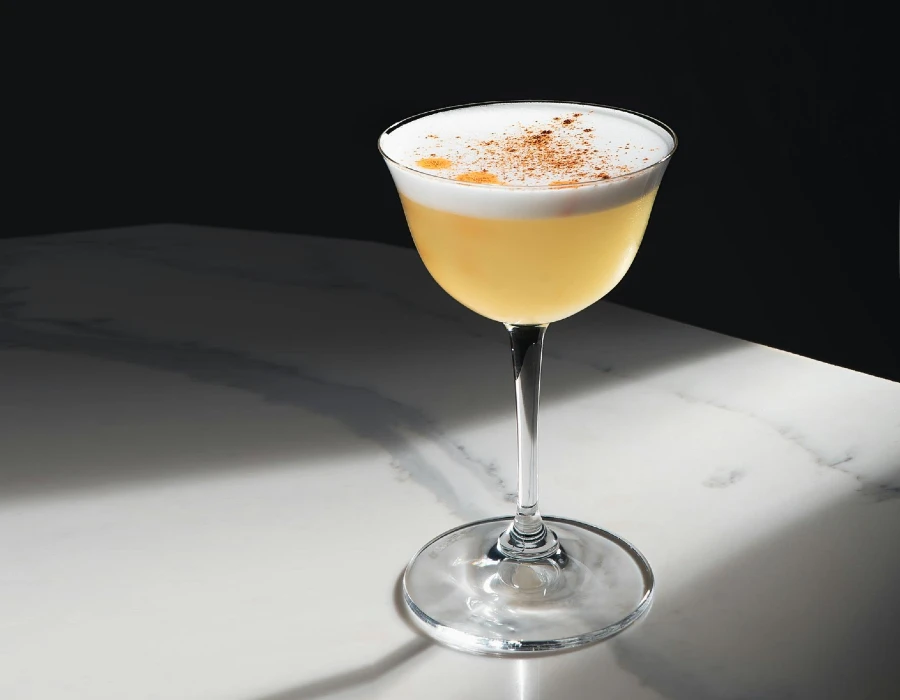
This is the martini for people who want citrus, sugar, and absolutely no subtlety. It is bright, refreshing, and still polished enough to feel intentional instead of gimmicky.
Ingredients
- 50 ml citron vodka
- 30 ml fresh lemon juice
- 20 ml simple syrup
- Ice
- Sugar rim
- Lemon wedge
Instructions
Rim the glass with sugar. Add ingredients to a shaker with ice and shake until chilled. Strain into a chilled martini glass and garnish with a lemon wedge.
It drinks like a very well-dressed lemon candy.
French Martini

The French martini lands smooth, fruity, and surprisingly refined without trying too hard.
Ingredients
- 45 ml vodka
- 45 ml pineapple juice
- 15 ml black raspberry liqueur
- Ice
Instructions
Shake ingredients with ice in a cocktail shaker and strain into a chilled martini glass.
The pineapple juice keeps things tropical while the liqueur adds richness and depth.
Chocolate Martini
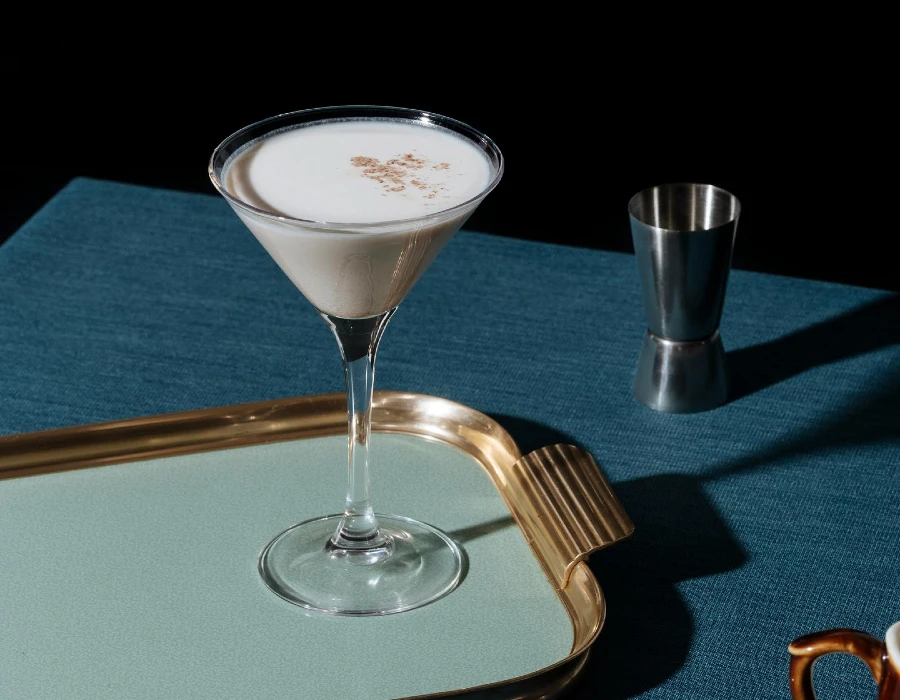
This is where martinis fully stop pretending they are not dessert. Rich, smooth, slightly sweet, and absolutely delicious, this cocktail exists entirely for people with a sweet tooth.
Ingredients
- 50 ml vanilla vodka
- 30 ml crème de cacao
- 20 ml Irish cream
- Ice
- Chocolate garnish
Instructions
Shake all ingredients with ice and strain into a chilled martini glass.
It tastes like dessert but still feels like a proper cocktail.
Martini Variations Worth Trying

Once you understand the basics, there are plenty of ways to customize a martini cocktail without destroying the classic structure.
Add Orange Bitters
A few dashes of orange bitters or aromatic bitters can completely shift the flavor without overpowering the drink. It is one of the easiest ways to add depth while still keeping the cocktail clean and balanced.
Try Lillet Blanc
Lillet Blanc creates a softer, more floral martini that works beautifully alongside vodka or gin. It lightens the overall profile while still keeping the drink elegant.
Experiment With Plymouth Gin
If you normally prefer vodka, Plymouth gin is an easy entry point into gin martini territory because it feels softer and more rounded than aggressively botanical gin styles.
Add Maraschino Liqueur
A small amount of maraschino liqueur creates subtle sweetness and complexity that works especially well in fruit-forward martinis.
These little adjustments are what make cocktails feel personal instead of copied directly from a recipe book.
Gin Martini vs. Vodka Martini
This debate has survived longer than it probably should have, mostly because people love arguing about classics.
The Classic Gin Martini
A classic gin martini, made with gin and dry vermouth, delivers herbs, botanicals, and more structure overall. Some traditional recipes even use equal parts gin and vermouth, though modern builds usually lean drier.
If you love strong herbal flavor and a more traditional profile, gin is probably your move.
The Vodka Martini
Vodka creates a cleaner, smoother profile that lets texture, garnish, and vermouth stand out more clearly. It feels sharper, colder, and slightly more modern.
That simplicity is exactly why so many people keep coming back to it.
Both deserve a place at the bar. Just maybe not from the loudest guy in the room explaining them.
How to Infuse Your Own Vanilla Vodka
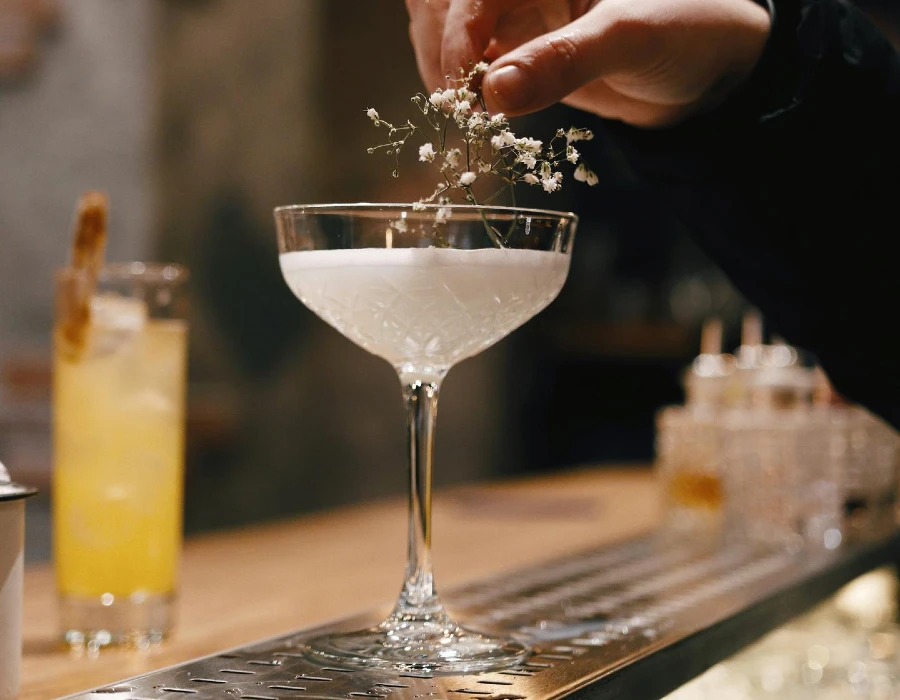
If you like vanilla vodka but hate the bottled versions that taste like birthday cake syrup, making your own is the better move. The process is simple, the flavor is cleaner, and the final cocktail tastes far more intentional. Starting with the best vodka for mixing also makes a huge difference because the base spirit still needs structure and character once the vanilla comes through.
What You Need
- 1 bottle of Hush and Whisper vodka
- 2 to 3 whole vanilla beans
- A sealable glass bottle or jar
The Process
Slice the vanilla beans lengthwise and drop them into the bottle. Seal and store in a cool, dark place for 3 to 5 days, shaking lightly once a day.
That is it.
The result is smooth vodka with a real vanilla character rather than artificial sweetness. It works beautifully in a chocolate martini, espresso martini, or even a slightly sweet twist on a classic recipe.
The Martini Philosophy (Keep It Simple)
At the end of the day, a martini is still just vodka and vermouth in a chilled glass. Whether you want a dry martini with a lemon twist, a dirty martini loaded with olive brine, or an espresso martini because your night got away from you a little, there is room for all of it.
At Hush and Whisper, we make vodka that works across classic builds, modern martini variations, and every elegant cocktail in between. Clean enough for a perfect vodka martini, smooth enough for an easy drink, and strong enough to hold up when your sweet tooth starts making decisions at the bar.
Come by the tasting room and try our sublime martinis for yourself, or contact us to learn more about our spirits, cocktails, and upcoming events.
Stir it. Shake it. Keep it classic or make it weird. Just make sure it tastes good when it hits the glass.