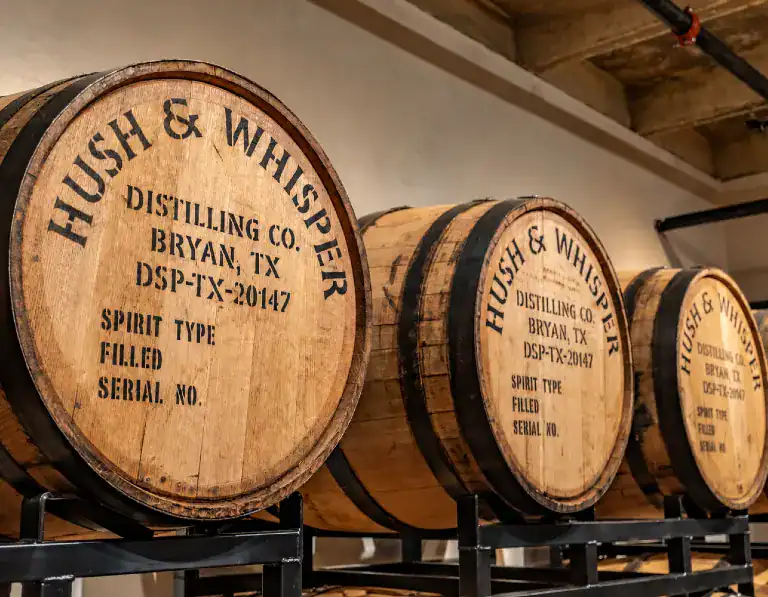
Whiskey barrel aging is where time, oak, and a little chemistry get together and do some seriously good work. As whiskey rests in charred oak barrels, it develops color, aroma, and flavors like vanilla, caramel, spice, and toasted oak. At Hush and Whisper Distilling Co. in Bryan, Texas, we know the barrel isn’t just where whiskey waits until it’s old enough to drink. It’s an active part of what ends up in your glass.
Whether you’re a whiskey enthusiast, a curious cocktail drinker, or someone wondering why older whiskey costs more, we’re breaking down the science behind the flavor, from oak selection and chemical reactions to Texas heat and the barrel aging process behind our Straight Rye Whiskey.
Oak Barrels Do More Than Hold Whiskey
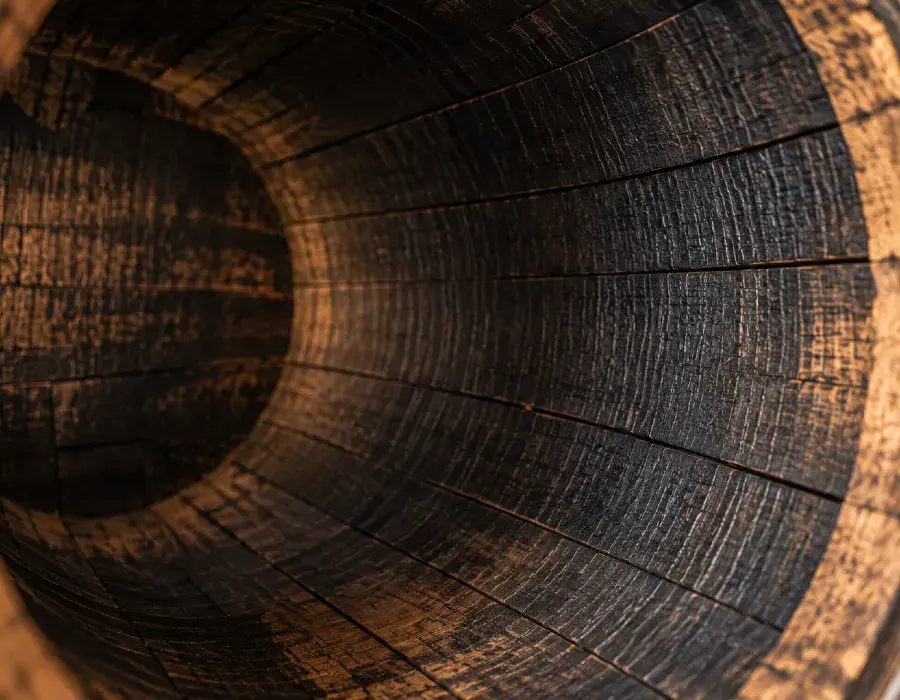
Calling a barrel a storage container seriously undersells the job. During aging, the spirit continuously interacts with the oak, adding color, sweetness, aroma, and flavor. The charred interior can also remove some undesirable compounds, while small amounts of oxygen enter over time, fueling the chemical reactions that change whiskey as it matures.
Several compounds in the wood shape the final flavor profile. Vanillin brings vanilla notes, oak lactones contribute coconut and woody aromas, and tannins add structure and dryness. Toasting and charring change the wood’s chemistry, producing additional compounds associated with caramel, spice, and toasted flavors.
Why American White Oak Is the Standard
American white oak is the industry standard for many whiskey barrels, particularly in bourbon production. Its cellular structure makes it strong and naturally resistant to leaking, while its chemical composition offers plenty of flavor potential.
Barrel making is equally important. Oak staves must be seasoned, shaped, fitted, and toasted or charred before they can hold spirit for years. European oak is also popular, especially for Scotch whisky, where it can contribute stronger tannins, spice, and dried fruit characteristics.
The Aging Process Is Really Three Processes at Once
Here’s where the science gets interesting. Aging whiskey involves three overlapping processes: additive, subtractive, and interactive maturation. Each changes the spirit’s aroma, taste, color, and texture differently.
Additive Maturation: Flavor From the Oak
Alcohol and water extract compounds from the wood, adding color, sweetness, and flavors like vanilla, caramel, toasted oak, and baking spice. Wood species, char level, and time in the barrel influence how prominently those flavors develop.
Subtractive Maturation: Softening the Rough Edges
Charred oak can adsorb certain compounds that make young whiskey taste harsh, while others change or disappear through evaporation and chemical reactions. This helps soften some of the rough edges without removing the spirit’s distinctive character.
Interactive Maturation: Where the Chemistry Happens
Oxygen, alcohol, water, and extracted wood compounds react with one another, creating new flavors and aromas that weren’t present when the spirit entered the barrel. Oxidation and ester formation are two examples. Esters can contribute fruity and floral aromas, while other reactions gradually change the whiskey’s balance and mouthfeel.
Not bad for a wooden container.
Aging Whiskey Starts With a Very Different Spirit
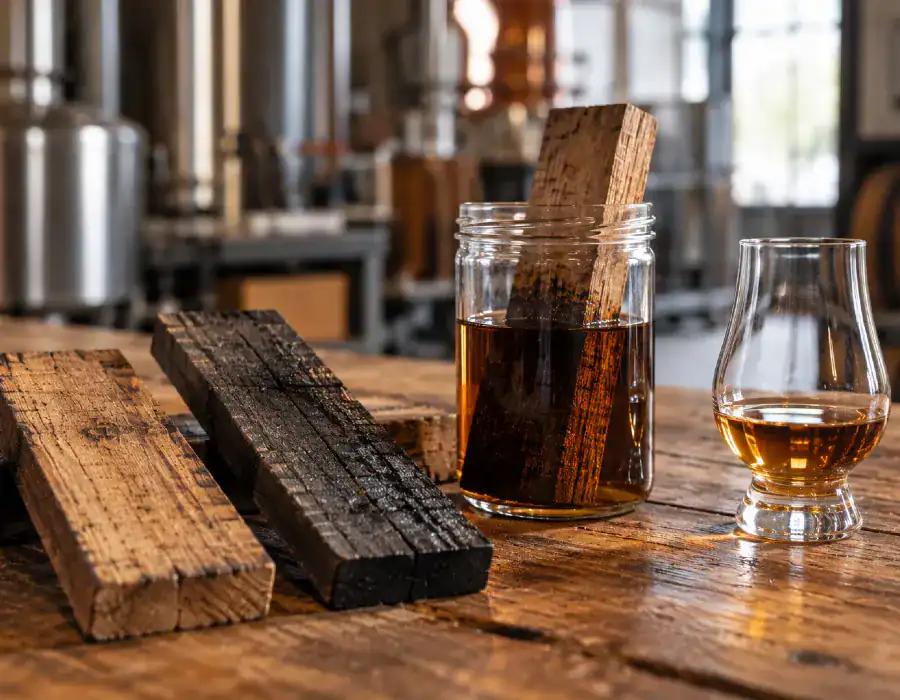
Want to understand what the barrel contributes? Taste whiskey before the barrel gets involved. Freshly distilled whiskey is clear, and without years of wood interaction, its grains, fermentation, and distillation take center stage.
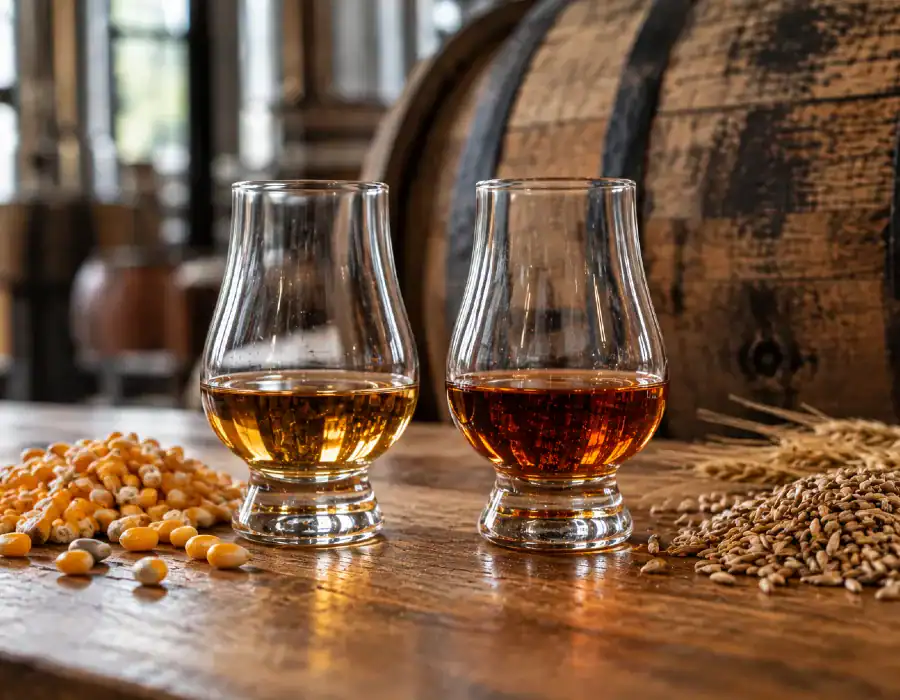
Our White Whiskey gives you that opportunity. Crafted from 70% corn, 16% wheat, and 14% malted barley, it carries natural corn sweetness, a softer character from the wheat, and subtle nutty complexity from the malted barley. Think of it as the opening chapter before oak starts rewriting the story.
Our White Whiskey isn’t simply an unaged version of our Straight Rye, since the two have different grain profiles. But tasting them side by side is a fantastic way to understand what barrel aging contributes, from deeper color and toasted oak to caramel, vanilla, and the spice of rye.
How Climate Shapes Whiskey Aging
Temperature, humidity, and other environmental conditions influence what happens inside the barrel. And here in Texas, the weather certainly likes to get involved.
Temperature Swings and Texas Heat
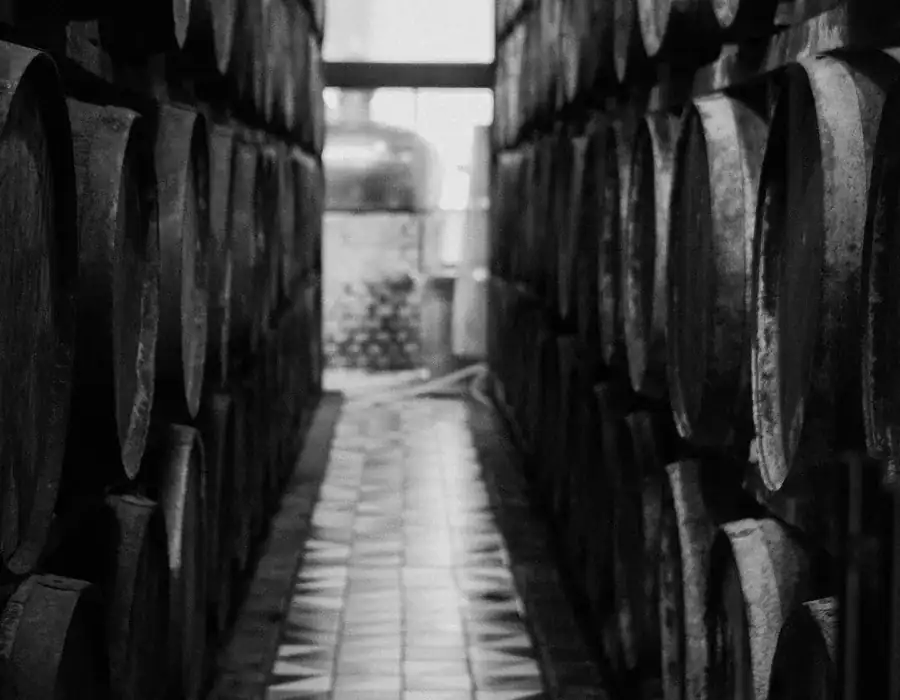
When temperatures rise, whiskey expands and moves farther into the oak. As conditions cool, the liquid contracts. These repeated cycles influence how the spirit extracts compounds from the wood. Higher temperatures can accelerate extraction and certain chemical reactions, but faster doesn’t automatically mean better. Too much oak can introduce bitterness, tannins, and woody flavors before the whiskey reaches its ideal balance.
At Hush and Whisper, we account for Texas conditions when aging our Straight Rye. Barrel placement, maturation time, and blending decisions help us balance oak sweetness against the grain’s natural spice. The goal isn’t to make the barrel work as quickly as possible. It’s to develop cinnamon, pepper, clove, vanilla, caramel, and toasted oak without losing rye’s personality.
Barrel Size and Surface Area
Smaller barrels have more wood surface area relative to the liquid inside, allowing whiskey to extract oak compounds more quickly. A small barrel may develop noticeable color and flavor sooner, but it can’t perfectly reproduce an older whiskey from a full-size barrel.
Oxidation, evaporation, and slow chemical reactions still need time. Whiskey, it turns out, isn’t particularly interested in being rushed.
The Angel’s Share: Where Did Our Whiskey Go?
Put whiskey in a barrel, wait several years, and you won’t get every drop back. Some alcohol and water naturally evaporate during aging. Distillers call this the angel’s share, presumably because “annual inventory heartbreak” wasn’t nearly poetic enough.
Annual losses are often estimated at 2% to 5%, though they vary widely with climate, humidity, barrel size, and warehouse conditions. Higher temperatures can increase evaporation, while humidity influences whether water or alcohol is lost more quickly.
Evaporation changes both the volume and concentration of the liquid remaining in the barrel. It contributes to the aging process, but it also means there’s less whiskey left to bottle.
Apparently, even the angels appreciate a decent pour.
Straight Bourbon and Straight Rye Have Their Own Rules
Not all whiskey follows the same aging rules. In the United States, bourbon must contain at least 51% corn and be aged in new charred oak containers. Straight bourbon must age for at least two years, and expressions younger than four years must carry an age statement.
Straight rye follows similar barrel requirements, but its mash must contain at least 51% rye. That different grain creates a naturally spicier starting character, which then interacts with the oak during maturation.
New charred oak barrels give the spirit first access to the wood’s available flavor compounds. Charring exposes the interior to intense heat, creating a carbonized surface over layers of heat-treated wood and contributing to the vanilla, caramel, toasted, and spice notes associated with American whiskey.
Once those barrels have served their first purpose, they’re not necessarily finished. American oak barrels previously used for bourbon are widely used for Scotch whisky and other spirits. One barrel can have quite the résumé.
Used and Finishing Barrels Create New Flavors
New barrels aren’t the only way oak shapes whiskey. Different types of wood, previous contents, and finishing techniques can all influence the final product.
How Wine and Sherry Barrels Influence Flavor
Previously used wine barrels, sherry casks, and port casks can contribute flavors that differ from those of new charred oak. Sherry casks are especially popular in Scotch whisky production, where they can add dried fruit, nutty richness, and sweetness. Port casks may introduce darker fruit notes, while barrels that previously held white wine can contribute more delicate fruity or floral characteristics.
The results depend on several factors, including oak species, barrel condition, previous contents, and aging time. The distiller isn’t simply choosing a wooden container. They’re choosing another influence on the whiskey’s unique flavor profile.
What Are Whiskey Finishing Barrels?
Finishing takes that idea further. Whiskey spends most of its maturation in one barrel before moving into another for a final period, introducing new flavors or changing the balance of existing ones.
Finishing barrels may also have different toast levels. Toasting heats the wood gradually, developing compounds associated with sweetness and spice, while charring uses more intense heat to create a carbonized interior. Neither technique is automatically better. They’re different tools, and choosing the right combination is part of the craft.
Older Whiskey Isn’t Automatically Better Whiskey
More years don’t automatically make a better bottle. As whiskey stays in contact with oak, it continues extracting wood compounds, and eventually those characteristics can dominate. Too much oak can overwhelm the spirit with tannins, dryness, bitterness, and excessively woody flavors.
The goal is to find the sweet spot where oak, spirit, sweetness, aroma, texture, and alcohol feel balanced.
Many bourbons mature for four to twelve years, but no age range guarantees quality. Some whiskeys benefit from much longer aging, while others reach their ideal flavor profile sooner. Climate matters too. A warm Texas warehouse and a cooler Scottish warehouse can produce very different results over the same number of years.
A well-aged whiskey should still taste like whiskey, not like you’ve been licking the inside of a lumber cabinet.
What Makes Whiskey Smooth?
Maturation can soften a young spirit, but smoothness isn’t created by age alone. The grain bill, fermentation, distillation, barrel selection, entry proof, climate, maturation time, and final proof all influence how whiskey tastes and feels.
Oak-derived compounds, oxidation, and ester formation can contribute sweetness, complexity, and a more velvety mouthfeel while changing harsher characteristics. But smoothness isn’t the same as quality. Some excellent whiskeys are deliberately bold, spicy, and assertive rather than soft and sweet.
Our Straight Rye: Where Spice Meets Oak
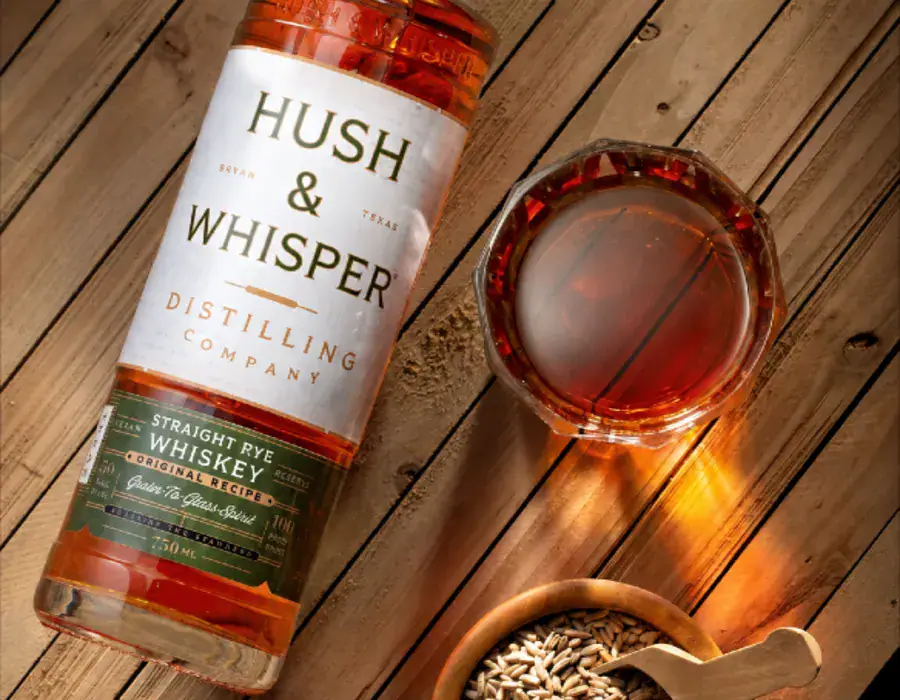
Our Straight Rye Whiskey shows how careful barrel aging shapes flavor and can complement a naturally bold spirit. Rye brings peppery spice, structure, and a drier profile. After distillation, our rye moves into new charred oak barrels, where wood interaction develops vanilla, caramel, and toasted notes that balance the grain’s intensity.
The finished whiskey opens with warm baking spice, toasted oak, and hints of dried fruit. On the palate, cinnamon, pepper, and clove lead, supported by caramel and vanilla. The finish is long, warming, and structured, with lingering spice and subtle sweetness.
That balance earned our Straight Rye Whiskey a Gold Medal at the 2025 American Distilling Institute International Spirits Competition.
The barrel didn’t erase the rye’s personality. It gave that personality somewhere to go.
Taste the Difference at Hush and Whisper
Whiskey barrel aging is part chemistry, part craftsmanship, and part knowing when to leave well enough alone. Oak species, char level, barrel size, temperature, humidity, oxygen, evaporation, and time all play a role, but no single formula tells a distiller when whiskey has reached its best. That’s where experience comes in.
You can read about wood chemistry all day, but eventually this subject deserves a glass. Give us a call at
979-393-9300 or visit us in Historic Downtown Bryan, take a distillery tour, and learn how we make our spirits. Then explore our White Whiskey and Straight Rye side by side, noticing one’s grain-forward character and the other’s toasted oak, caramel, vanilla, and spice.
Suddenly, those tasting notes aren’t just words on a bottle. They’re clues to the craftsmanship and chemistry behind every sip.
Because “wood interaction and chemical reactions” sounds considerably better when there’s whiskey in your glass.